

مؤلف
ماري ر. وينترز


يمكنك الاختيار من بين مجموعة واسعة من الخيارات لتصميمات أكياس الوقوف المخصصة، بما في ذلك السحابات، وفتحات التمزيق، والطيّات الجانبية، والمقابض، والنوافذ الشفافة، وخيارات الطباعة، والفوهات، والصمامات. تُعزز هذه الميزات من فعالية المنتج، وجاذبيته على الرفوف، وسهولة استخدامه. تُقدم العلامات التجارية خيارات تخصيص واسعة النطاق لتلبية احتياجات منتجك. بلغ حجم سوق أكياس الوقوف 4.5 مليار دولار أمريكي في عام 2021، مع معدل نمو سنوي مُركب مُتوقع بنسبة 6.8% حتى عام 2026، مدفوعًا بطلب المستهلكين على أكياس الوقوف القابلة لإعادة الإغلاق والصديقة للبيئة. ستتعرف على كيفية عمل كل ميزة، مما يُساعدك على تحديد ما يُناسب تغليفك. إن فهم هذه الميزات الحديثة يضمن لك اختيار الخيارات المناسبة. أكياس قابلة للوقوف مطبوعة حسب الطلب التي تحمي منتجك وتسعد العملاء.
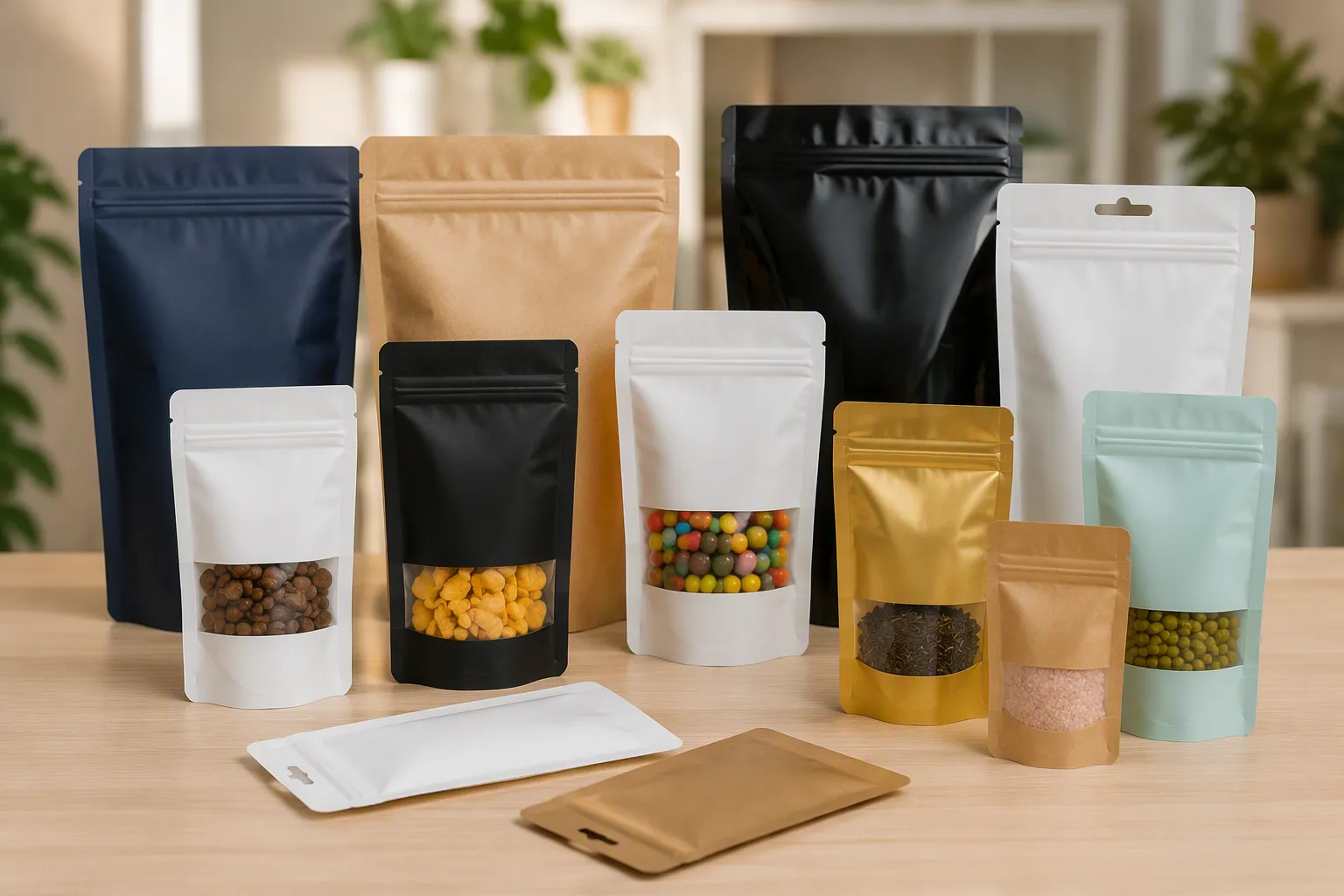
اختر السحابات لإحكام الإغلاق وسهولة إعادة الإغلاق؛ أما الأربطة المعدنية فتمنح مظهراً ريفياً ولكنها توفر حماية أقل.
أضف شقوقًا للتمزيق أو علامات ليزرية لسهولة الفتح دون إتلاف سحاب الحقيبة القابل لإعادة الإغلاق.
اختر دعامات سفلية لعرض ثابت على الرف أو دعامات جانبية لسعة أكبر وشحن أكثر كفاءة.
استخدم التشطيبات غير اللامعة لإضفاء إحساس فاخر، والتشطيبات اللامعة لجذب الجماهير، والنوافذ الشفافة لبناء ثقة المستهلك.
تتضمن هذه المجموعة فوهات لتوزيع دقيق وصمامات لإزالة الغازات للحفاظ على نضارة القهوة عن طريق إطلاق ثاني أكسيد الكربون.
تتوفر لديك خيارات إغلاق متعددة عند تصميم حقيبتك القائمة. الخيار الأكثر شيوعًا هو السحاب الذي يُغلق بالضغط. تتيح هذه الآلية المألوفة للمستخدمين الضغط على مسارين معًا لإغلاق الحقيبة بعد كل استخدام. وهي مناسبة للوجبات الخفيفة والقهوة والمساحيق وأطعمة الحيوانات الأليفة. يوفر تصميم الإغلاق بالضغط إغلاقًا بسيطًا وموثوقًا يتعرف عليه المستهلكون فورًا.
تُعدّ السحابات المنزلقة خيارًا فاخرًا. ينزلق لسان بلاستيكي صغير على الجزء العلوي من الكيس، ليُحكم إغلاقه بحركة واحدة سلسة. يُناسب هذا الخيار كبار السن أو من يعانون من ضعف في قوة اليد. كما تُوفر السحابات المنزلقة إحكامًا أفضل للهواء مقارنةً بالسحابات التقليدية التي تُغلق بالضغط. وتختار العديد من العلامات التجارية هذا النوع من السحابات للمنتجات الراقية، لأنه يُشير إلى الجودة حتى قبل أن يفتح العميل العبوة.
تُقدّم أربطة القصدير طريقةً مختلفة. سلك معدني رفيع مُدمج في الحافة العلوية للكيس ينثني ليُغلقه. يتميز هذا النوع من الإغلاق بلمسة حرفية ريفية تُناسب مُحامص القهوة الحرفية والعلامات التجارية المُهتمة بالبيئة. مع ذلك، تُوفر أربطة القصدير إحكامًا متوسطًا للهواء مُقارنةً بالسحابات. يُبطئ استخدام رباط القصدير بشكل صحيح عملية تلف القهوة، لكنه لا يُوقفها بفعالية السحاب لعدم إحكامه للهواء.
عامل | إغلاق بسحاب | إغلاق برباط معدني |
|---|---|---|
ختم محكم | عالي | معتدل |
إمكانية إعادة الإغلاق | ممتاز | جيد |
مظهر فاخر | عصري / فاخر | حرفي / ريفي |
مناسب للأتمتة | عالي | معتدل |
خيارات الاستدامة | تحسين | قوي |
الأفضل لـ | متاجر التجزئة المتميزة ذات الاستخدام البطيء | علامات تجارية حرفية وصديقة للبيئة |
س: هل تحافظ أربطة القصدير على نضارة القهوة؟ ج: نعم، إلى حد ما. استخدام رباط معدني بشكل صحيح أفضل بكثير من ترك الكيس مفتوحًا أو استخدام مشبك بسيط. سيُبطئ ذلك من عملية التلف، لكنه لن يوقفها بفعالية السحاب لأنه ليس محكم الإغلاق.
توفر العبوات القائمة القابلة لإعادة الإغلاق الراحة التي يطلبها المستهلكون باستمرار. فعندما تنفك أربطة القصدير أو يمتلئ الشريط اللاصق القابل لإعادة الإغلاق ببقايا القهوة، يضطر المستهلكون إلى إعادة تغليف القهوة بأنفسهم. من خلال دمج السحابات مباشرةً في العبوة بدلاً من إضافتها لاحقاً، تُقدم عبوة فائقة الراحة وذات قيمة مضافة، مما يُشجع العملاء على العودة للشراء. وتؤثر هذه الميزات العملية بشكل مباشر على عمليات الشراء المتكررة.
يُتيح شق التمزيق الوصول إلى المنتج. يقع هذا الشق الصغير على شكل حرف V عند الحافة العلوية للكيس، عادةً فوق سحاب الإغلاق. يسمح هذا الموضع للمستهلكين بتمزيق الجزء المُغلق من المصنع دون إتلاف آلية إعادة الإغلاق الموجودة أسفله. يبقى الكيس صالحًا للاستخدام بعد الفتح الأول.
يُوفر التقطيع بالليزر بديلاً أكثر دقةً من الشقوق الميكانيكية. تستخدم هذه التقنية شعاع ليزر لإنشاء خط ضحل ومُتحكم به على سطح الغشاء. يُضعف التقطيع المادة على طول مسار مستقيم، مما يُنتج فتحة نظيفة تمامًا. يُعد التقطيع بالليزر فعالاً بشكل خاص مع المواد الأحادية القابلة لإعادة التدوير مثل أغشية البولي إيثيلين. أكياس قابلة للوقوف صديقة للبيئة يتطلب الأمر إضعافًا دقيقًا لتمزيقه بشكل نظيف دون المساس بسلامة الغشاء.
يمكنك تطبيق تقنية التقطيع بالليزر في اتجاهين. يمتد التقطيع العرضي من جانب إلى آخر عبر الكيس، بينما يمتد التقطيع الطولي من أعلى إلى أسفل. تتيح لك هذه المرونة في تحديد الاتجاه وضع خط التمزق في المكان الذي يحتاجه منتجك بشدة. والنتيجة هي تجربة فتح ممتازة تحافظ على سلامة طبقة الحماية حتى لحظة الاستخدام.
تُنتج الفتحة الميكانيكية التقليدية فتحة عملية ولكنها أقل دقة. أما القطع بالليزر فيُنتج حافة أكثر استقامة ونظافة، تُعطي شعورًا بالفخامة عند استخدامها. وتعتبر العديد من العلامات التجارية هذا خيارًا متميزًا يستحق تكلفة التصنيع الإضافية.
بإمكان المصنّعين تخصيص فتحات التمزيق وخطوط القطع بالليزر لتناسب مختلف سماكات الأغشية. سواءً كنتَ بحاجة إلى فتحة بسيطة على شكل حرف V للوجبات الخفيفة الخفيفة، أو خطوط قطع بالليزر لأكياس الوقوف المطبوعة حسب الطلب شديدة التحمل، فإنّ التكوين الصحيح يضمن سهولة الفتح في كل مرة. يجب أن تُعطي تصاميم أكياس الوقوف المخصصة الأولوية لهذه اللحظة الأولى، لأنها تُشكّل انطباع المستهلك عن منتجك بالكامل.
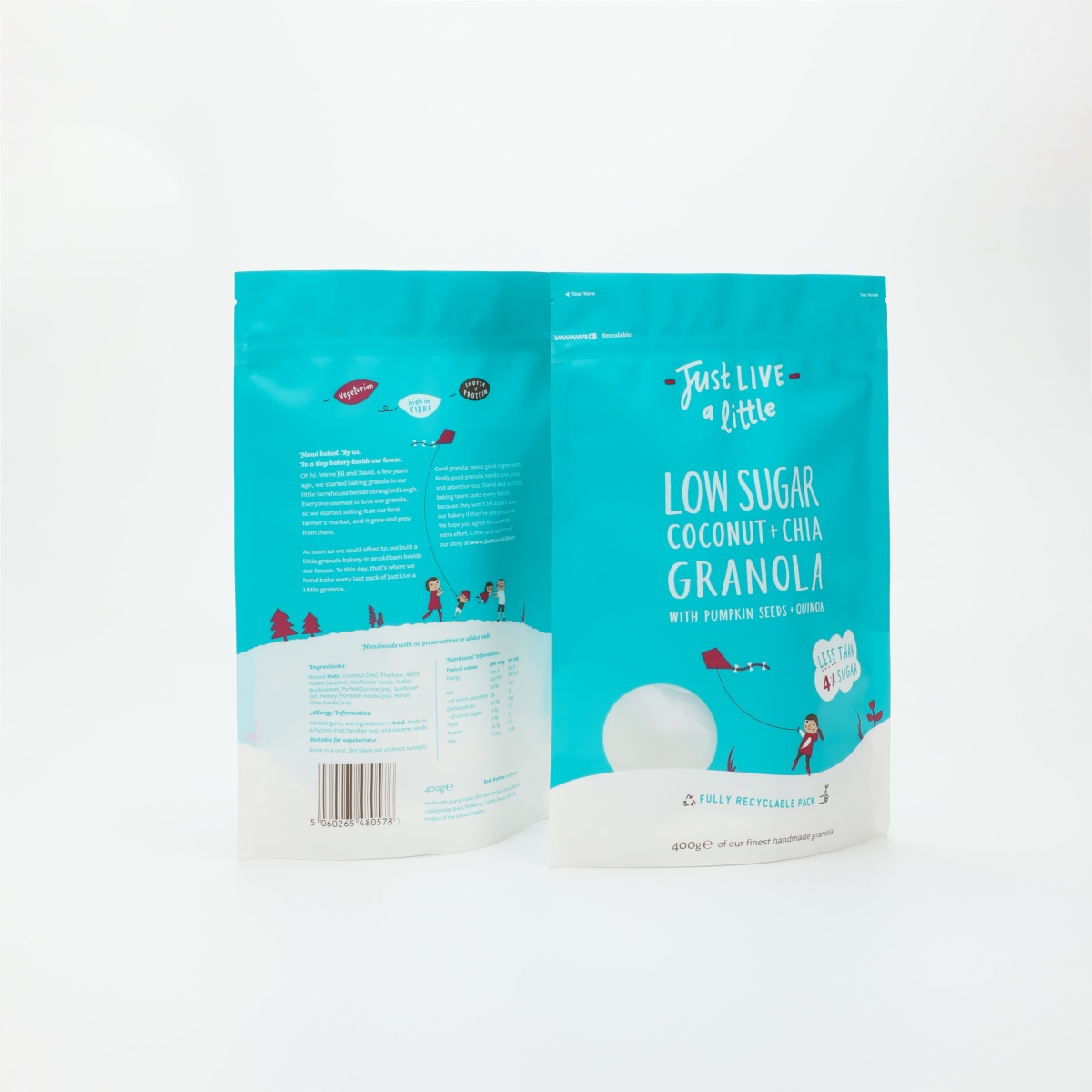
تحدد الطيات الجانبية شكل الحقيبة، وسعتها، وكفاءة شحنها. لديك خياران أساسيان للهيكل: الطيات السفلية والجانبية. لكل منهما وظيفة محددة في تصميمات الحقائب القائمة المخصصة.
تتميز الأكياس ذات الطيات السفلية بوجود طية مدمجة في قاعدتها. تتمدد هذه الطية عند امتلاء الكيس، مما يُشكل قاعدة مسطحة وثابتة تقف بشكل مستقل. يُعد هذا التصميم مثاليًا للوجبات الخفيفة والمشروبات والمنتجات الفاخرة التي تُباع بالتجزئة، حيث تُعد رؤية المنتج على الرفوف أمرًا بالغ الأهمية. يؤثر نوع الطية السفلية التي تختارها على ثبات الكيس وكفاءة استخدام المواد.
نمط الوصلة | مستوى الاستقرار | كفاءة المواد | الأنسب لـ |
|---|---|---|---|
قاعدة مستديرة (عميد) | عالي | معتدل | الأشياء الثقيلة أو غير المنتظمة الشكل |
كيه-بوتوم | معتدل | عالي | منتجات خفيفة الوزن مثل الوجبات الخفيفة والقهوة |
قاع محراث (قاع على شكل حرف K بدون مانع تسرب جانبي) | معتدل | عالي | منتجات فاخرة أو مميزة |
بالنسبة للأكياس الصغيرة، يجب أن يكون الجزء السفلي المطوي عميقًا بما يكفي لتشكيل قاعدة مناسبة دون إهدار الغلاف البلاستيكي. فالجزء السفلي الضحل جدًا يحد من السعة ويؤدي إلى انقلاب الكيس. أما الجزء السفلي العميق جدًا فيؤدي إلى اتساع الكيس المطوي ويقلل من كفاءة التعبئة.
تعتمد الأكياس ذات الطيات الجانبية على نهج مختلف. إذ تُطوى هذه الأكياس إلى الداخل على طول حافتيها الرأسيتين، مما يُعطيها مظهرًا مُحكمًا أو ما يُعرف بـ"الإغلاق الرباعي" عند امتلائها. تزيد هذه الأكياس من سعتها بنسبة تتراوح بين 50% و100% مقارنةً بالأكياس المسطحة ذات العرض والارتفاع نفسيهما. وعندما تكون فارغة، تُطوى بشكل مسطح تمامًا، مما يوفر من 30% إلى 50% من مساحة التخزين والشحن مقارنةً بالأكياس القائمة ذات السعة نفسها. كما أنها تستهلك من 10% إلى 20% مواد أقل لعدم الحاجة إلى لوحة سفلية إضافية.
ميزة | حشوة جانبية | جيب سفلي (جيب قائم) |
|---|---|---|
موقع الجيب الجانبي | مطوية للداخل على طول الحافتين الرأسيتين | مدمج في قاعدة الحقيبة |
سلوك الرفوف | يمكن وضعه بشكل مسطح أو إسناده على منتجات أخرى | يقف منتصباً بشكل مستقل |
الميزة الأساسية | يزيد من حجم التعبئة وكفاءة استخدام المواد | يعزز ظهور العلامة التجارية على الرفوف وعرضها |
الشكل الناتج | يظهر بمظهر يشبه الكتلة أو "الختم الرباعي" عند امتلائه | حقيبة عمودية ذات قاعدة مسطحة وثابتة |
الاستخدام النموذجي | مواد سائبة، قهوة، شاي، مساحيق، قطع غيار صناعية | وجبات خفيفة ومشروبات ومنتجات فاخرة للبيع بالتجزئة |
اختر الطيات الجانبية للكميات الكبيرة والتطبيقات الصناعية. اختر الطيات السفلية لعرض المنتجات في متاجر البيع بالتجزئة وسهولة وصول المستهلك إليها. يجب أن يوجه وزن منتجك وحجمه وقناة التوزيع هذا القرار.
تُحوّل المقابض حقيبتك القائمة إلى حقيبة محمولة. تُحدث المقابض المقطوعة ثقبًا في مادة الحقيبة، مما يُسهّل فتحها بالأصابع. أما المقابض الحلقية، فتُثبّت شريطًا بلاستيكيًا منفصلًا في أعلى الحقيبة أو جانبها. وتجمع مقابض السحاب بين إغلاق السحاب وفتحة حمل مدمجة. كل خيار منها يُناسب نطاقات وزن واستخدامات مختلفة.
بالنسبة للمنتجات الأثقل وزنًا، يمكن للمصنعين تعزيز المقابض بطبقات إضافية من المواد أو أغشية أكثر سمكًا. يمنع هذا التعزيز التمزق عند نقاط الضغط، خاصةً عندما يحمل المستهلكون الحقيبة من المقبض فقط.
تتيح فتحات التعليق عرض المنتجات على خطافات العرض. ويؤثر الشكل الذي تختاره على قدرة تحمل الوزن ومدى توافق العرض.
تُعدّ الفتحات الدائرية الأنسب للتوابل والوجبات الخفيفة ذات الحصة الواحدة. أما فتحات سومبريرو، فتتميز بقوس مُدعّم يُوزّع الوزن بالتساوي، مما يُقلّل من خطر تمزّق المنتجات الثقيلة. بينما تُوفّر فتحات دلتا أقصى قدر من الثبات لأثقل المنتجات. وتُحدّد استراتيجية عرض منتجاتك في متاجر التجزئة ووزن المنتج الخيار الأمثل. تُؤثّر هذه الخصائص الهيكلية بشكل مباشر على كيفية تفاعل المستهلكين مع عبوتك، وعلى سلامة منتجك أثناء نقله من الرفوف إلى المنزل.
يُؤثر اختيارك للتشطيب على كيفية إدراك المستهلكين لمنتجك قبل لمسه. فالتشطيبات غير اللامعة تُشتت الضوء وتُقلل من الوهج، كما أنها ناعمة الملمس كالمخمل، وهي سمة ترتبط عادةً بالمنتجات الفاخرة. أما التشطيبات اللامعة فتعكس الضوء وتُوحي بالإثارة وسهولة الاستخدام. بينما تُوفر التشطيبات المعدنية سطحًا عاكسًا. يُمكنك الجمع بين التشطيبات لتحقيق أقصى قدر من التأثير، فمثلاً، تُضفي القاعدة غير اللامعة مع الشعار المعدني تباينًا يجذب الأنظار. تتوفر التشطيبات بخيارات غير لامعة ولامعة ومعدنية. كما تدعم هذه التشطيبات خاصية اللحام الحراري، مما يُحافظ على متانة تصميمات أكياسك القائمة مع الحفاظ على مظهرها الفاخر.
تتيح النوافذ الشفافة للعملاء رؤية منتجك مباشرةً، مما يعزز الثقة فورًا. يشعر المستهلكون بثقة أكبر عند الشراء عندما يتمكنون من التحقق من مظهر المنتج وملمسه ولونه. عادةً ما تتضمن الحقيبة القائمة ذات النافذة المخصصة سحابات قابلة لإعادة الإغلاق، وطبقات حماية، ومساحة مخصصة للعلامة التجارية، وألواح عرض شفافة. لا تؤثر النافذة على خصائص الحماية عند تصميمها بشكل صحيح.
تتيح خيارات الطباعة إمكانية تخصيص العلامة التجارية برسومات عالية الدقة. يمكن لعبوات منتجاتك أن تتميز بمظهر جذاب دون المساس بالاستدامة. تعمل الطباعة عالية الدقة على مواد أحادية قابلة لإعادة التدوير دون التأثير على المظهر. يمكن لأكياسك القابلة للوقوف والمطبوعة حسب الطلب أن تتميز برسومات نابضة بالحياة مع مراعاة أهداف الاستدامة. يساهم اختيار اللمسة النهائية المناسبة ومزيج الطباعة الأمثل في الارتقاء بعبواتك من مجرد حاوية عملية إلى تجربة علامة تجارية مميزة.
تُحوّل الفوهات أكياس التعبئة القياسية إلى أداة توزيع دقيقة. يمكنك الاختيار من بين عدة أنواع من الفوهات التي تناسب لزوجة المنتجات المختلفة وأنماط الاستخدام. تُدمج الفوهات أثناء التصنيع لضمان إحكام الإغلاق ومنع التسرب.
تُستخدم صمامات إزالة الغازات أحادية الاتجاه لتعبئة القهوة المحمصة الطازجة والمنتجات المخمرة. تُطلق القهوة المحمصة ثاني أكسيد الكربون لعدة أيام بعد التعبئة. وبدون صمام، يتراكم هذا الغاز ويتسبب في انتفاخ الكيس أو تمزقه. يفتح الصمام عندما يتجاوز ضغط ثاني أكسيد الكربون الداخلي الضغط الخارجي، فيُطلق الغاز، ثم يُغلق تلقائيًا. تمنع هذه العملية الأكسدة التي تُفسد النكهة والرائحة. يحافظ الصمام على نضارة المنتج ويُطيل مدة صلاحيته دون الحاجة إلى ضخ النيتروجين.
يسمح صمام إزالة الغازات بخروج ثاني أكسيد الكربون مع منع دخول الأكسجين والرطوبة والملوثات. تحمي هذه الآلية البسيطة جودة منتجك من تاريخ التحميص وحتى آخر كوب.
تضمن هذه الميزات أن توفر عبواتك الوظائف التي يتوقعها المستهلكون.
تجمع العبوة المثالية القابلة للوقوف بين عدة عناصر، منها: الإغلاق، والجوانب القابلة للتوسيع، والمقابض، والتشطيبات، والنوافذ، والطباعة، والفوهات، والصمامات. لكل عنصر منها وظيفة محددة. يعتمد الاختيار الأمثل على نوع المنتج، وفترة صلاحيته، وقناة التوزيع. ضع هذه العوامل في اعتبارك:
عامل رئيسي | ما يجب مراعاته |
|---|---|
نوع المنتج | صلب أو سائل أو مسحوق |
مدة الصلاحية | مواد ذات حاجز عالي لحماية أطول |
الاستدامة | خيارات قابلة لإعادة التدوير أو التحلل البيولوجي |
يكلف | تحقيق التوازن بين الأداء والميزانية |
تُحدد أولوياتك - سواءً كانت سهولة الاستخدام، أو جاذبية المنتج على الرف، أو الحماية - قراراتك. استشر مورد التغليف الخاص بك للحصول على أكياس قابلة للوقوف مطبوعة حسب الطلب. اكتشف الأكياس الصديقة للبيئة القابلة للوقوف لمشروع التغليف القادم.
ضع في اعتبارك مدة صلاحية منتجك وصورة علامتك التجارية. توفر السحابات إغلاقًا محكمًا يحافظ على نضارة المنتجات لفترة أطول، مما يجعلها مثالية للمنتجات قليلة الاستخدام. أما الأربطة المعدنية فهي مناسبة للعلامات التجارية الحرفية أو الصديقة للبيئة، لكنها توفر حماية متوسطة. وينبغي أن يكون مدى حساسية منتجك للرطوبة هو المعيار الأساسي لاختيار الأنسب.
نعم، يمكنك إضافة ميزات متعددة بحرية. يمكن أن تحتوي الحقيبة على سحاب، وشق للفتح، ونافذة شفافة، وصمام لتفريغ الغاز في آن واحد. يقوم مورد التغليف بدمج هذه العناصر أثناء التصنيع دون المساس بسلامة الهيكل. يمكن لحقائبك القابلة للوقوف والمطبوعة حسب الطلب أن تحمل كل الميزات التي يحتاجها منتجك.
بالتأكيد. المواد الأحادية القابلة لإعادة التدوير تقبل الطباعة عالية الدقة بنتائج ممتازة. تلتصق الأحبار الحديثة ذات الأساس المائي جيدًا بهذه الأغشية، مما يوفر رسومات نابضة بالحياة دون المساس بإمكانية إعادة التدوير. لست مضطرًا للاختيار بين الاستدامة وجاذبية المنتج على الرفوف - يمكنك الحصول على كليهما في عبواتك.
تختلف الكميات الدنيا حسب الشركة المصنعة ومدى تعقيد الميزات. عادةً ما تتطلب الأكياس القياسية كميات دنيا أقل من تلك المزودة بفوهات أو صمامات خاصة. تواصل مع مورد التغليف لمعرفة الكميات المحددة. تؤثر الميزات التي تختارها ونوع الفيلم وطريقة الطباعة على الحد الأدنى للطلب.
شارك مواصفات خط التعبئة مع مورد التغليف الخاص بك. بإمكانهم تعديل أبعاد الأكياس، وقوة الإغلاق، وموضع الفوهة لتتناسب مع معداتك. تصمم الشركات المصنعة أكياسًا متوافقة مع أنظمة التعبئة اليدوية والآلية، مما يضمن دمجها بسلاسة في عملية الإنتاج لديك.
إذا كنت ترغب في العمل معنا أو مجرد التواصل معنا، يسعدنا أن نسمع منك!

حقوق الطبع والنشر
@ 2026 Shanghai BioPouches Co., Ltd جميع الحقوق محفوظة
. الشبكة المدعومة
ترك رسالة