

مؤلف
ماري ر. وينترز


Dried soup mixes and instant meal products are designed around convenience. They need to be easy to store, simple to prepare, and protected from moisture and other external factors during transportation and storage. For food brands, the packaging therefore needs to do more than simply contain the product. It needs to match the physical characteristics of the soup mix or meal, the filling process, the expected shelf life, and the way consumers will use it.
Flexible pouches are a practical option for these products because they can be customized in different sizes, structures, barrier levels, closures, and printing styles. Depending on the product format, a stand-up pouch, flat pouch, or flat bottom pouch can be selected for different packaging requirements.
For dried soup mixes, instant noodles with seasoning, dehydrated meal kits, powdered meal products, and other dry food products, the right pouch should be selected according to the product rather than simply choosing the most attractive bag shape.
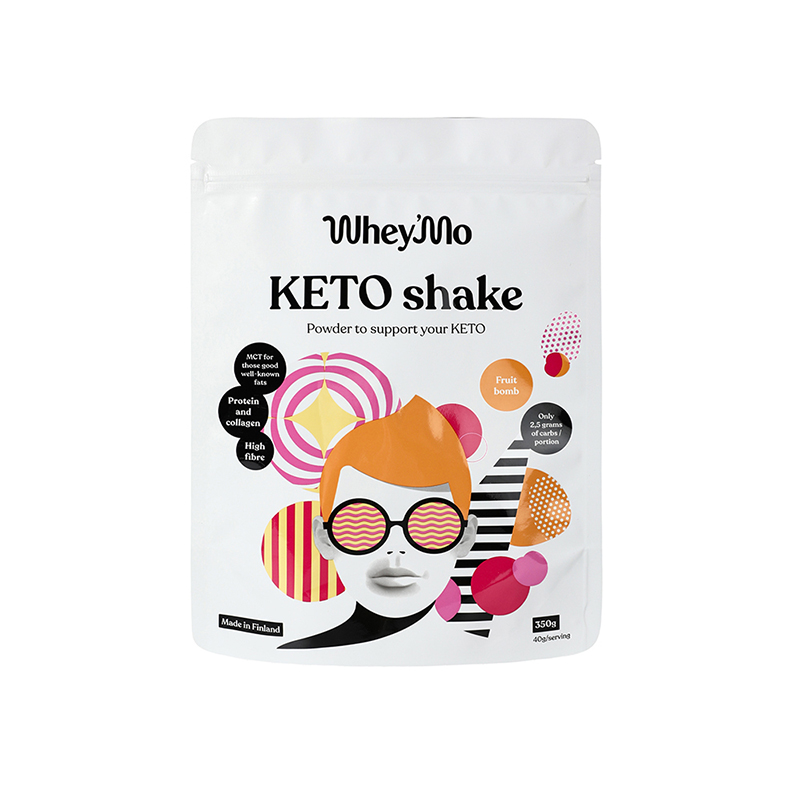
For most dry soup mixes, the pouch should provide good protection against moisture while offering enough space for filling and sealing. The exact structure depends on whether the product is a fine powder, a mixture of powder and dehydrated vegetables, or a larger instant meal containing noodles, grains, herbs, or other solid ingredients.
A stand-up pouch can be a practical choice for retail-sized soup mixes and instant meal products. Its bottom gusset allows the pouch to stand on a shelf, while the relatively large front panel provides space for the brand name, flavor, preparation instructions, ingredients, nutrition information, and other product information.
For smaller single-serving soup sachets or trial portions, a flat pouch can be more suitable. Bioflexi's flat pouch range is designed for compact products such as seasonings, powder products, samples, snacks, and other small-format food applications.
Moisture is one of the main packaging considerations for dried soup mixes. Soup powders, seasoning blends, starch-based ingredients, dehydrated vegetables, and similar dry ingredients can react differently when exposed to humidity.
Moisture can cause powder products to clump, change their flow characteristics, or affect the texture of dehydrated ingredients. For this reason, the pouch material should be selected according to the actual moisture sensitivity of the product.
Bioflexi offers flexible packaging structures with different barrier options, including high-barrier materials designed to provide protection against oxygen and moisture. The appropriate barrier should be determined according to the formulation, target shelf life, storage conditions, and distribution environment rather than using the same material structure for every food product.
For brands developing a new soup mix or instant meal product, it is useful to test the actual product inside the proposed pouch before finalizing the packaging structure. This can reveal issues with powder flow, moisture protection, sealing, and package appearance before mass production.
Single-serve soup mixes are often designed for convenience. A consumer may open one pouch, add the contents to a cup or bowl, add hot water, and prepare the product within a short period of time.
For this type of product, a compact flat pouch or three-side seal pouch can be a practical option. The simple structure is suitable for smaller portions and can help brands create an efficient package for individual servings, samples, or trial products.
Bioflexi's custom three-side seal pouch is designed for small-portion food applications and offers heat sealing, food-grade materials, and customizable material and printing options. The product page also lists powder products among its applications.
For single-serving products, the pouch dimensions should be developed around the actual fill weight and product volume. A 20 g powder mix and a 20 g mixture containing dehydrated vegetables may occupy very different volumes, so the net weight alone should not determine the bag size.
Stand-up pouches become particularly useful when the instant meal product needs more internal volume or a stronger retail presentation. Products may include soup and noodle combinations, dried vegetables, grains, pasta, seasoning blends, meal replacement powders, or other dry ingredients.
The bottom gusset gives the package additional volume and allows it to stand upright. This can be helpful when the product is sold as a larger multi-serving pack rather than a single-use sachet.
A resealable zipper can also be considered for multi-serving instant meal products. If consumers are expected to open the pouch several times, resealing can help make the package more convenient during everyday use.
Bioflexi's resealable ziplock stand-up pouch is an example of a pouch format developed for powder products. Its structure includes a resealable closure, high-barrier laminated material, and customization options for size, printing, and finish.
Yes. Flexible pouches can be used for a wide range of dry instant meal products, provided that the pouch structure is matched to the actual product and filling process.
For example, an instant meal package may contain dehydrated vegetables, soup powder, seasoning, noodles, grains, beans, or other dry ingredients. These components can have different shapes, densities, and sensitivities, so packaging development should consider the complete product rather than treating it as a simple powder.
For larger or premium instant meal packs, a flat bottom pouch may be considered when shelf stability and a more structured appearance are important. The box-like structure provides a stable base and multiple printable surfaces.
This format can be useful for brands that want their instant meal products to have a stronger retail presence while maintaining the lightweight characteristics of flexible packaging.
Material selection should start with the product's protection requirements. Dried soup mixes may need protection from moisture, oxygen, light, odor transfer, and contamination depending on their formulation.
For example, a simple dry seasoning product may have different barrier requirements from an instant meal containing dehydrated vegetables, oils, or sensitive ingredients. The packaging manufacturer should therefore understand the product formulation, target shelf life, storage conditions, and distribution environment before recommending a final material structure.
Bioflexi provides different material directions, including recyclable, compostable, PCR, and paper-based packaging options. However, a sustainable material should still provide the required performance for the specific food product.
In other words, the packaging decision should not start with “Which material is the most sustainable?” It should start with “What does this product need to remain stable and protected?” The sustainable option can then be selected within those performance requirements.
It depends on how the product is intended to be consumed.
For single-serving soup mixes, a zipper is usually unnecessary because the pouch is opened once and the entire portion is used. A simple heat-sealed flat pouch can therefore be a practical solution.
For larger multi-serving soup mixes or instant meal products, a resealable zipper can make the package easier to use. Consumers can open the package, remove part of the contents, and close it again for later use.
The zipper should also be considered together with the sealing area. Fine soup powder can move toward the top of the pouch during filling, so the filling process needs to leave a clean sealing area. This is important for achieving consistent seal quality.
Pouch size should be based on more than the printed net weight. Product density, particle size, shape, settling behavior, filling equipment, headspace, and sealing requirements all affect the final pouch dimensions.
For example, a pouch containing fine soup powder may need less volume than a pouch containing the same weight of dehydrated vegetables and noodles. The product may also settle during transportation, changing the amount of free space inside the package.
Before final production, brands should confirm:
These factors help the packaging manufacturer develop a pouch that fits the actual product instead of simply selecting a standard bag size.
Paper-based flexible packaging can be considered when a brand wants a more natural packaging appearance or is working toward specific sustainability objectives.
However, paper alone is not automatically suitable for every dried food product. Soup mixes still need appropriate protection from moisture and other external factors, so the paper structure and any additional barrier layers should be evaluated according to the product requirements.
Bioflexi's paper pouch packaging range includes paper-based flexible packaging options that can be developed with different barrier structures. This gives brands another direction when balancing packaging appearance, food protection, and sustainability requirements.
Packaging samples should be tested with the actual soup mix or instant meal before mass production. This is especially important for dry products because different powders and dehydrated ingredients can behave differently during filling and transportation.
A practical packaging test can include filling the pouch with the intended product, checking the sealing area, evaluating the finished appearance, and simulating normal handling and transportation.
Brands should also check whether the pouch is easy to open, whether the product can be removed cleanly, and whether a zipper or other closure works properly after repeated opening and closing when applicable.
If the product is intended to have hot water added directly into the package, the pouch must be specifically designed and tested for that use. A standard flexible food pouch should not automatically be treated as suitable for direct contact with boiling water, cooking, microwave heating, or other high-temperature applications unless the material structure and finished package have been validated for that purpose.
Packaging is also an important part of how consumers understand an instant meal product. The front panel should quickly communicate the product type, flavor, serving size, preparation method, and main product benefits.
Flexible pouches provide a relatively large printable surface, allowing brands to create clear visual differentiation between different soup flavors or meal varieties while maintaining a consistent packaging system.
For example, a brand could use the same pouch dimensions across several soup flavors while changing the main color, product name, food photography, and preparation instructions. This creates a consistent product family without requiring a completely different pouch structure for every SKU.
For brands developing several dry food products at the same time, Bioflexi's food and snack packaging solutions can be used as a starting point for comparing different pouch formats and customization options.
Before approving a flexible pouch for a dried soup mix or instant meal, packaging buyers can review the following points:
What is the best pouch for dried soup mix?
There is no single pouch format that is best for every soup mix. Flat pouches are practical for single-serving portions, while stand-up pouches can be useful for retail and multi-serving products. The final choice depends on product volume, barrier requirements, filling method, and consumption pattern.
Are stand-up pouches suitable for soup powder?
Yes. Stand-up pouches can be used for powder products when the material structure, dimensions, sealing area, and closure are properly matched to the product. Bioflexi's stand-up pouch range includes powder-related applications.
Should instant meal pouches have a zipper?
A zipper is more useful for multi-serving products that may be opened several times. Single-serving soup mixes generally do not require resealable closures.
What barrier does dried soup packaging need?
The required barrier depends on the formulation. Moisture protection is often an important consideration for dry soup powders and dehydrated ingredients, while oxygen, light, odor, and mechanical protection may also need to be considered.
Can flexible pouches be used for instant meals with noodles and vegetables?
Yes. Flexible pouches can be designed for mixed dry foods containing powders, noodles, dehydrated vegetables, grains, seasonings, and other ingredients. The pouch dimensions and material should be developed around the complete product.
Can soup pouches be made with sustainable materials?
Yes. Depending on the required barrier and package performance, brands can evaluate recyclable, compostable, PCR, or paper-based structures. The sustainable option should still be tested against the product's actual storage and performance requirements.
إذا كنت ترغب في العمل معنا أو مجرد التواصل معنا، يسعدنا أن نسمع منك!

حقوق الطبع والنشر
@ 2026 Shanghai BioPouches Co., Ltd جميع الحقوق محفوظة
. الشبكة المدعومة
ترك رسالة