

مؤلف
ماري ر. وينترز


Shoppers and brand owners often find the words "biodegradable" and "compostable" on stand up pouches and assume they mean the same thing. They do not. Every compostable pouch fits the stricter definition, but a biodegradable stand up pouch may fall short. Timeframe, residue, certification, and disposal all separate the two categories. A certified version breaks down completely within months and leaves no toxic trace. The alternative may fragment slowly and leave residue behind. These differences carry real consequences for waste systems and customer trust. The decision affects product claims, disposal routes, and buyer trust. Read on for a clear, side-by-side answer.
Compostable pouches meet strict standards and break down completely within months.
Biodegradable pouches have no timeframe or proof and may leave harmful residue.
Look for third-party certifications like BPI or TÜV to verify compostable claims.
Choose compostable pouches for a verified environmental benefit and customer trust.
Match your pouch to local disposal systems to avoid contamination and confusion.
A stand up pouch earns the compostable label only after third-party testing. BPI, TÜV, and DIN CERTCO examine the finished product, not the raw resin. They test biodegradation, disintegration, compost quality, and ecotoxicity. A true compostable stand up pouch must pass every test. Certification also covers zippers and seals.
The leading North American standard is ASTM D6400. BPI builds its certification on that specification. Europe relies on EN 13432. TÜV and DIN CERTCO certify products against that standard. Both frameworks require 90 percent of organic carbon to convert to carbon dioxide within 180 days. They also require less than 10 percent residue on a 2-millimeter screen after 12 weeks.
The process goes beyond breakdown. BPI tests for fluorine, regulated metals, volatile organic compounds, ash, and thickness. A 100 ppm total fluorine limit keeps PFAS out of certified compostable bags. TÜV also offers OK Compost Home for backyard bins. Home composting runs cooler than industrial facilities. Producers must confirm the target environment. A commercial pouch may fail to disintegrate in a garden pile.
Compostable pouches leave no visible residue after breakdown. Microorganisms convert organic carbon into carbon dioxide. The rest becomes water, inorganic compounds, and biomass. Ecotoxicity tests verify seeds germinate and plants grow normally in the finished compost. Some compostable bags only work in industrial heat, while others carry a home compostable logo.
This clean output explains why compostability is a verified subset of biodegradability. A certified compostable pouch always breaks down completely. The reverse does not hold. A biodegradable stand up pouch may fragment or leave residue. Its timeline may extend far beyond six months. Compostable packaging removes that uncertainty because standards set hard limits. A compostable claim without a logo proves nothing. Brands should look for the BPI or Seedling logo before making claims. Those marks prove the compostable promise rests on test data.
A biodegradable stand up pouch breaks down over time with help from living organisms. Bacteria, fungi, and other microorganisms consume the material and convert it into simpler substances. This process happens naturally in soil, water, or compost. The basic idea sounds simple. The practical reality is far messier.
The word biodegradable carries no legal definition in most markets. A pouch may break down in six months or sixty years. No standard sets a deadline. No authority verifies the claim. This vagueness makes "biodegradable" a weak marketing term. A brand can print it on almost any package without proof.
Compostable stand up pouch products face strict timelines and testing. Biodegradable pouches face no such rules. A biodegradable stand up pouch may take years to break down in a landfill. It may never break down in a home compost bin. The term tells a shopper almost nothing about real-world performance.
Breakdown conditions vary widely. Temperature, moisture, oxygen, and microbial activity all affect the speed. A biodegradable pouch in a cool, dry landfill may sit intact for decades. The same pouch in a warm, active compost pile may disappear in months. Without specified conditions, the claim offers no guarantee.
Residue is another concern. Some biodegradable pouches leave behind fragments, chemical additives, or heavy metals. These leftovers can contaminate soil and water. Compostable products must pass ecotoxicity tests and leave no toxic trace. Biodegradable products face no such requirement. A pouch may break into small pieces and still pollute the environment. That outcome fails the spirit of true biodegradation.
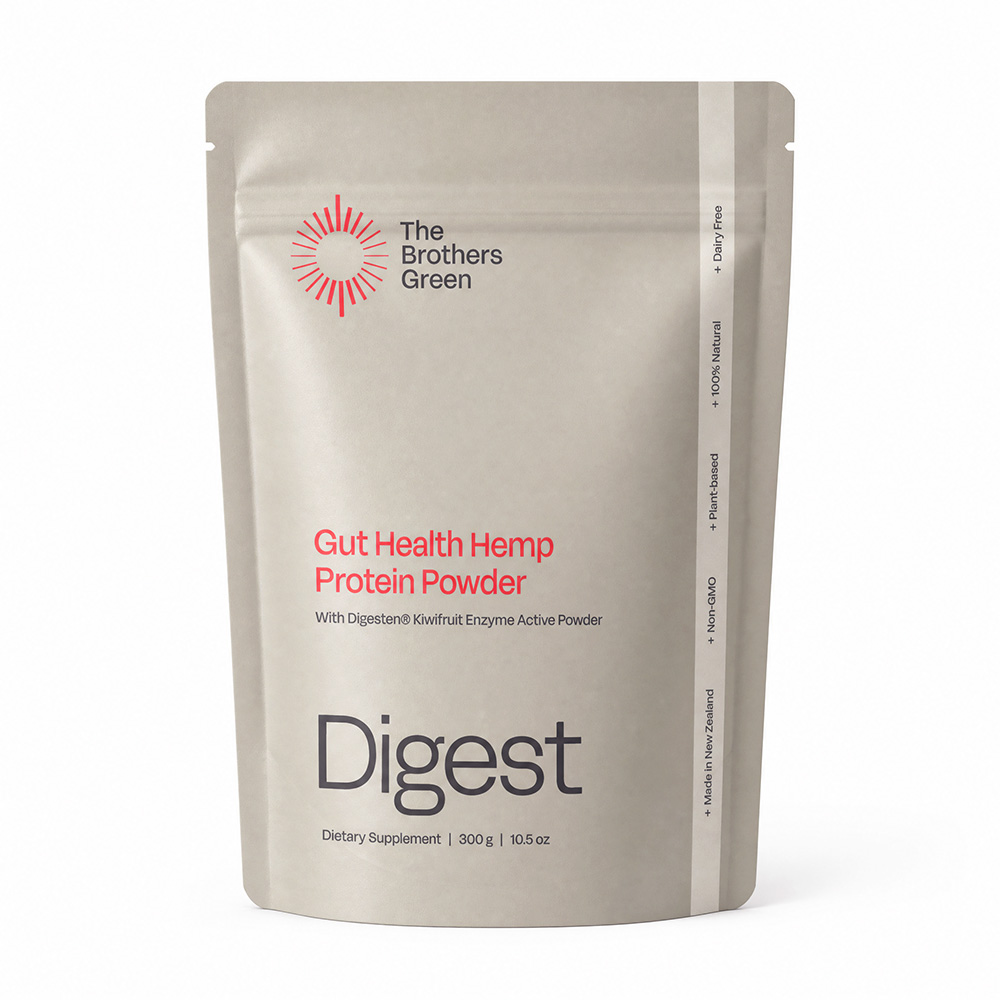
The two categories diverge on nearly every measurable point. A compostable stand up pouch must prove its breakdown time, its end products, and its disposal route. A biodegradable stand up pouch only needs to break down eventually, with no proof required. That gap explains why compostable vs biodegradable claims carry very different weight.
Certified compostable pouches work through mineralization. Microorganisms secrete enzymes that break polymer chains into small molecules, which the microbes then metabolize into carbon dioxide, water, and microbial biomass. Under ASTM D6400 and EN 13432, at least 90 percent of the material's carbon must convert to CO₂ within 180 days. Disintegration testing adds a second limit: no more than 10 percent of the original material may remain on a 2 mm screen after 12 weeks. Eco-toxicity testing then confirms the finished compost supports plant growth at 90 percent or more of a control.
Biodegradable pouches face none of these tests. The term sets no deadline and names no environment. A pouch may mineralize fully, or it may shatter into persistent microplastics. Oxo-degradable plastics — conventional polyethylene or polypropylene blended with metal-salt additives — illustrate the worst case. They fragment into ever-smaller pieces rather than degrading. The European Union banned oxo-degradable plastics outright in 2019 for this reason, and certification standards exclude them.
|
Aspect |
Certified Compostable Pouches |
Unverified Biodegradable Pouches |
|---|---|---|
|
Standard (North America) |
ASTM D6400, ASTM D6868 |
None defined |
|
Standard (Europe) |
EN 13432 |
None defined |
|
Verification |
Third-party testing of finished product |
Marketing claim only |
|
Breakdown deadline |
90% carbon to CO₂ in 180 days |
No timeframe |
|
Residue limit |
Under 10% on a 2 mm screen after 12 weeks |
No test required |
|
Eco-toxicity |
Compost supports plant growth at 90%+ of control |
No screening |
Disposal separates the two categories just as sharply. Industrial composting gives compostable bags a defined pathway. Facilities manage heat, moisture, oxygen, and microbial activity, and commercial sites break the material down in 90 to 180 days. Home composting offers a second route for pouches carrying the TÜV OK Compost HOME mark, which break down within 12 months in a backyard bin. Credible labels include TÜV OK Compost INDUSTRIAL, FSC Mix, and Cradle to Cradle Certified.
Biodegradable pouches have no guaranteed pathway. No facility accepts them by design, and no standard confirms they will break down in soil, water, or landfill. Some compostable films can even contaminate recycling batches when people dispose of them incorrectly. The FTC Green Guides caution against unsubstantiated environmental claims such as biodegradable without qualification.
Compostable remains the stricter, more verifiable category. Buyers comparing compostable vs. biodegradable bags should treat certification as the deciding factor. A logo proves the claim; a word alone does not.
Certification separates a verified compostable stand up pouch from a hopeful claim. Third-party bodies test the finished product, not just the raw material. They confirm breakdown time, the conditions required, and the safety of what remains. This scrutiny explains why compostable pouches carry a heavier burden of proof than a biodegradable stand up pouch.
BPI and TÜV Austria lead the verification process in their regions. BPI certifies against ASTM D6400 or D6868 for industrial composting. TÜV Austria runs the OK compost INDUSTRIAL program under EN 13432. Both examine decomposition rate, biodegradation into carbon dioxide, water, and biomass, and toxicity levels. A product must leave no harmful residues or elevated heavy metals that could degrade compost quality.
The testing goes further. BPI-certified packaging must decompose within 90 days under industrial conditions. Under ASTM D6400, materials must break down at rates comparable to natural compostable materials and disintegrate into fragments indistinguishable from compost within 180 days. BPI also excludes products with adhesive seals because adhesives can interfere with industrial composting and leave residues that fail toxicity testing. Compostable zipper closures, by contrast, can still qualify.
|
Certification/Logo |
Region |
Standard/Program |
Recognition |
|---|---|---|---|
|
BPI |
North America |
ASTM D6400/D6868; commercial and home compostable programs |
Widely recognized compostability mark for commercial composting in North America |
|
TÜV Austria OK compost INDUSTRIAL |
Europe / global markets |
EN 13432 |
Certifies industrial compostability and is a recognized European certification |
|
Seedling logo |
Europe |
EN 13432 |
Granted through TÜV Austria or DIN CERTCO; indicates compliance with the European compostability standard |
|
CMA Composter Approved |
North America |
Field testing at compost facilities |
Signals acceptance by actual composting facilities, complementing lab certifications |
Bioflexi supplies compostable packaging with verifiable environmental claims. The company sources pouches that hold BPI or TÜV certification, so brands can back their compostability statements with test data. This approach keeps the focus on certified compostable bags rather than vague biodegradable language. Buyers who need documented proof for compostable bags can request certification details directly.
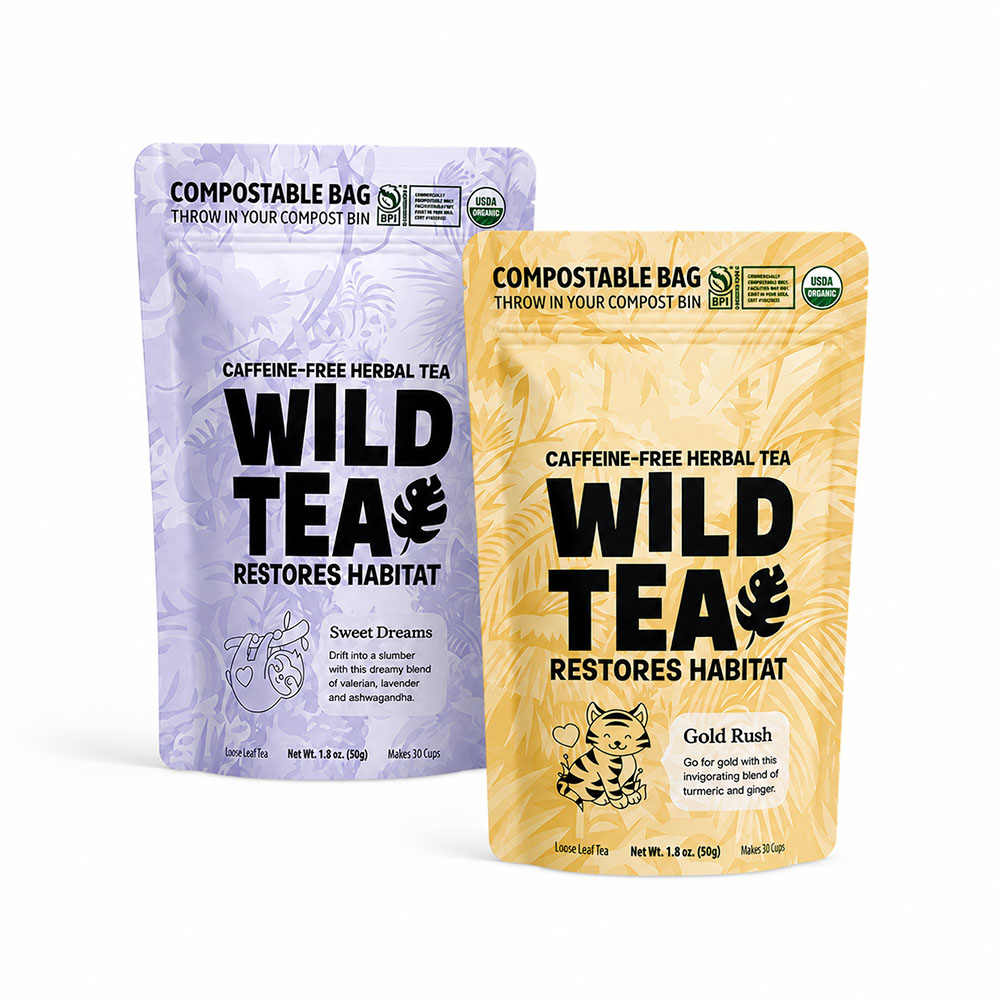
"Degradable" sounds like a green promise. Buyers see the word on a stand up pouch and assume nature will break the material down. In reality, degradable often means something far weaker: fragmentation. Manufacturers add prodegradant catalysts to conventional plastic films. These additives accelerate a chemical reaction triggered by heat, oxygen, or ultraviolet light. The polymer chains crack into smaller pieces. The product no longer looks like packaging, but it never truly disappears.
The distinction matters for disposal. A compostable stand up pouch must pass third-party tests that measure microbial breakdown and non-toxic residue. An oxo-degradable pouch only needs environmental triggers to shatter. The UK Advertising Standards Authority investigated dog waste bags made from oxo-degradable plastic in 2019. The bags remained undegraded after two years. Researchers at the University of Plymouth found similar results. Films designed to degrade stayed intact in seawater and soil after three years. These findings expose the gap between label language and real-world behavior.
Oxo-degradable pouch materials fragment into particles smaller than 5 millimeters. Those particles meet the scientific definition of microplastics. Once fragments reach that size, they persist in soil, rivers, and oceans. Animals can ingest them. The fragments may carry chemical additives from the original film. This pathway turns one pouch into countless pollution particles instead of harmless biomass.
Some suppliers use the term "oxo-biodegradable" to soften the message. Those labels sometimes serve as greenwashing for conventional plastic pouches. Scientific reviews disagree about whether these materials fully biodegrade. A French government-sponsored project concluded oxo-degradable plastics perform better in seawater than conventional plastic. Other research finds the process stops at fragmentation. Buyers do not need to resolve that debate. They need a verifiable claim. Biodegradable plastic claims on oxo-degradable bags often fail to name an environment or a timeframe. A biodegradable stand up pouch with that vague label offers no guarantee. Certified compostable packaging, by contrast, carries a logo and a documented standard. That difference protects brands and the customers who trust them.
Three end-of-life pathways exist for stand up pouches: recycling, composting, and biodegradation. Each pathway demands different material choices and different disposal systems. A recyclable mono-material plastic pouch fits one route. A compostable stand up pouch fits another. A biodegradable stand up pouch fits neither with any guarantee.
|
Pouch Type |
End-of-Life Pathway |
Infrastructure Needed |
|---|---|---|
|
Recyclable pouches |
Mechanical recycling |
Curbside or store drop-off programs |
|
Compostable pouches |
Organic recycling |
Industrial or home composting |
|
Biodegradable pouches |
No defined route |
None guaranteed |
Recycling works best when local infrastructure accepts the material. A mono-material pouch made from a single polymer stream moves through sorting equipment far more easily than a multi-layer laminate. Mono-material PE and mono-material PP dominate this category. Mono-PP structures handle high heat and offer good barrier for dry goods. Mono-material PE suits flexible films and frozen products. Both support pouch recyclability when collection programs exist.
Recyclable pouches depend entirely on what the region collects. A mono-material pouch packaging format fails the recyclable test in a town without drop-off bins. Store drop-off networks accept mono-material PE films in many North American markets. Curbside programs vary by municipality. Brands must check local rules before printing a recyclable claim. The end of life for these pouches starts at a sorting facility, not a compost heap.
Composting wins when a verified organic route matters more than mechanical recycling. Compostable bags and pouches break down in industrial facilities within 90 to 180 days. Home compostable versions carry the TÜV OK Compost HOME mark. These products return carbon to soil as biomass. That outcome supports circular systems for food-contaminated packaging. Greasy films and food-soiled pouches rarely survive recycling. Compostable pouches handle that contamination without issue.
The right choice depends on product and region. A dry snack brand in a city with strong recycling access should choose recyclable pouch options. A coffee roaster in a region with commercial composting should pick compostable and biodegradable certified pouches. A brand selling into both markets may need two SKUs. No single pouch type delivers a realistic end-of-life route everywhere. Buyers should map their customers' disposal options before committing. The end-of-life plan belongs in the packaging brief, not in a marketing slogan.
Selecting the right pouch requires matching material performance to real disposal options. A brand must weigh certification, barrier needs, and customer access to composting or recycling. The wrong choice wastes money and damages trust.
Brands should request documentation before committing to any order. Ask for third-party certification proving compliance with ASTM D6400, EN 13432, or BPI standards. For home composting claims, verify OK Compost HOME certification. Request batch-specific test reports, full spec sheets, and Declaration of Compliance documents for food-contact safety. Suppliers should also provide oxygen transmission rate and water vapor transmission rate data. These figures reveal whether high-barrier eco-friendly pouches can protect the product.
Red flags include missing test reports, vague material composition, and unverified biodegradable claims. A supplier who cannot produce a downloadable PDF certificate or a public registry listing poses a real risk. Brands should also confirm printing and customization options meet compostable guidelines. The table below summarizes key documents to request.
|
Certification Document |
Standard |
Region |
|---|---|---|
|
BPI Industrial Compostable |
ASTM D6400 / D6868 |
North America |
|
DIN Home Compostable |
NF T51-800 |
Europe / Global |
|
ABA Home Compostable |
AS 5810 |
Australia |
|
EN 13432 |
EN 13432 |
Europe |
Compostable pouches work best when verifiable environmental benefits matter most. A compostable stand up pouch breaks down in industrial facilities within 90 to 180 days and leaves no toxic residue. This outcome supports closed-loop systems at festivals, events, and hospitality venues. Brands selling dry goods, bars, nuts, or powders can often use compostable food packaging successfully.
However, compostable packaging often has weaker barrier properties than conventional plastic laminates. Products needing strong protection from moisture, oxygen, grease, or aroma loss may not suit this format. A biodegradable stand up pouch offers no guaranteed disposal route and may fragment into microplastics. Brands should map their customers' disposal options before choosing. Sustainable packaging works only when the end-of-life plan matches real infrastructure.
Compostable is a verified subset of biodegradable. Strict standards, set timeframes, and non-toxic outcomes define it. A biodegradable stand up pouch offers no such guarantee. The term alone can mislead buyers. Shoppers should look for third-party certifications, not marketing claims. Bioflexi helps brands make a genuinely verifiable switch to certified compostable bags. A compostable stand up pouch supports a cleaner, circular future. That choice turns sustainable packaging into a measurable commitment. Brands that demand proof protect their customers and the planet.
A compostable stand up pouch meets strict third-party standards for breakdown time, conditions, and non-toxic residue. A biodegradable stand up pouch only breaks down eventually, with no deadline, no required environment, and no proof. Compostable is the verified subset.
Only pouches carrying the TÜV OK Compost HOME mark break down in backyard bins, typically within 12 months. Most compostable stand up pouches need industrial composting, where facilities manage heat, moisture, and oxygen to finish breakdown in 90 to 180 days.
No. Biodegradable pouches have no defined disposal pathway, and they can contaminate recycling batches. Compostable pouches belong in organic waste streams, while recyclable mono-material pouches belong in curbside or store drop-off programs. Match the pouch to the local system.
Brands should request BPI certification under ASTM D6400 or D6868 in North America, and TÜV Austria OK compost INDUSTRIAL or the Seedling logo under EN 13432 in Europe. These marks prove a compostable stand up pouch passed independent testing.
Oxo-degradable plastics fragment into microplastics instead of breaking down into biomass. The European Union banned them in 2019. A biodegradable stand up pouch with this label offers no timeframe and no verified end product, so buyers should treat the claim as greenwashing.
إذا كنت ترغب في العمل معنا أو مجرد التواصل معنا، يسعدنا أن نسمع منك!

حقوق الطبع والنشر
@ 2026 Shanghai BioPouches Co., Ltd جميع الحقوق محفوظة
. الشبكة المدعومة
ترك رسالة