

مؤلف
ماري ر. وينترز


في كل عام، ينتهي المطاف بملايين الأطنان من النفايات البلاستيكية في محيطاتنا، مما يضر بالحياة البحرية. يمكنك تغيير هذا الوضع بتغيير بسيط. الكيس الورقي حل تغليف مرن وصديق للبيئة مصنوع من ألياف لب الخشب. وهو بديل مباشر للأكياس البلاستيكية أو القماشية. ستجد أكياس ورقية تُستخدم الأكياس الورقية في كل مكان، من أكياس التسوق إلى تغليف البقالة والملابس والكتب ومستلزمات النظافة الشخصية. تُظهر هذه الاستخدامات الشائعة تنوعها، مما يجعلها عملية للغاية. سواء كنتَ ذاهباً للتسوق أو لتغليف هدية، فإن الأكياس الورقية تُناسب احتياجاتك. تستكشف هذه المقالة فوائد الأكياس الورقية وموادها وأنواعها وخيارات تخصيصها.
تتحلل الأكياس الورقية بشكل طبيعي في غضون أسابيع، على عكس الأكياس البلاستيكية التي تدوم لقرون.
إنها مصنوعة من موارد متجددة وقابلة لإعادة التدوير بالكامل، مما يقلل من بصمتك الكربونية.
توفر الأكياس الورقية إمكانية طباعة ممتازة، مما يعزز صورة علامتك التجارية الصديقة للبيئة وولاء العملاء.
إنها قوية ومتعددة الاستخدامات، ومناسبة للبيع بالتجزئة، وخدمات الطعام، وإعادة التوظيف الإبداعي.
تتيح لك خيارات التخصيص مثل الطباعة والطلاءات تصميم الأكياس وفقًا لاحتياجاتك مع الحفاظ على الاستدامة.
باختيارك الأكياس الورقية بدلاً من البلاستيكية، فإنك تُقدم خياراً قيّماً لكوكبنا. تستغرق الأكياس البلاستيكية التقليدية قروناً لتتحلل، مما يُسبب انسداد المجاري المائية والإضرار بالحياة البرية. أما الأكياس الورقية، فتتحلل طبيعياً في غضون أسابيع أو أشهر، مُعيدةً العناصر الغذائية إلى التربة دون ترك أي مخلفات سامة. هذا التحلل السريع يجعل الأكياس الورقية القابلة للتحلل خياراً ممتازاً للشركات التي تسعى إلى تقليل أثرها البيئي.
يعتمد إنتاج الورق على موارد متجددة. يستورد المصنّعون لبّ الخشب من غابات تُدار بشكل مستدام، حيث يزرعون أشجارًا جديدة لتعويض كل شجرة تُقطع. تضمن هذه الدورة استمرار إمداد المواد الخام دون استنزاف الموائل الطبيعية. كما يُدمج العديد من مصنّعي الأكياس الورقية مواد مُعاد تدويرها في منتجاتهم، مما يُقلل الطلب على المواد الخام ويُحوّل النفايات من مكبات القمامة.
قد تتساءل عن الطاقة اللازمة لإنتاج الورق مقارنةً بالبلاستيك. لقد حققت مصانع الورق الحديثة تقدماً ملحوظاً في خفض استهلاك المياه وانبعاثات غازات الاحتباس الحراري. وتُنتج عملية إنتاج أكياس التغليف الصديقة للبيئة تلوثاً كربونياً أقل بكثير مقارنةً بتصنيع البلاستيك التقليدي. إضافةً إلى ذلك، يمكن إعادة تدوير الأكياس الورقية بالكامل من خلال برامج إعادة التدوير البلدية المعتادة، مما يوفر لك مساراً واضحاً للتخلص منها، وهو ما نادراً ما توفره الأكياس البلاستيكية.
تُضيف خفة وزن الأكياس الورقية ميزة بيئية أخرى، إذ تُتيح نقل عدد أكبر من الأكياس في الشحنة الواحدة، مما يُقلل من استهلاك الوقود والانبعاثات المصاحبة له أثناء التوزيع. وتمتد هذه الكفاءة إلى مستوى البيع بالتجزئة، حيث يعني التغليف الأخف وزنًا انخفاض تكاليف الشحن لعملائك وتخفيف الضغط على مركبات التوصيل.
توفر الأكياس الورقية إمكانية طباعة استثنائية تحوّل التغليف البسيط إلى أداة تسويقية فعّالة. يمكنك عرض شعارك وألوان علامتك التجارية ومعلومات المنتج مباشرةً على سطح الكيس بنتائج واضحة ونابضة بالحياة. الملمس الطبيعي لـ أكياس ورقية كرافت يوفر جمالية عضوية وحرفية تلقى صدى لدى المستهلكين المعاصرين الذين يقدرون الأصالة والاستدامة.
لقد تغير سلوك المستهلكين بشكل كبير في السنوات الأخيرة. يبحث المتسوقون بنشاط عن العلامات التجارية التي تُظهر مسؤولية بيئية. عند اختيارك أكياس ورقية صديقة للبيئةبذلك تُظهر التزامك بالممارسات المستدامة، مما يبني الثقة مع جمهورك. وتترجم هذه الثقة إلى ولاء العملاء، وتكرار عمليات الشراء، والتوصيات الإيجابية من خلال التوصيات الشفهية.
تُضفي تجربة ملمس الورق قيمةً ملموسةً على منتجاتك. فعلى عكس الأسطح البلاستيكية الملساء، يُوفر الورق إحساسًا دافئًا وطبيعيًا يُعزز تجربة فتح العبوة. ويمكنك الارتقاء بهذه التجربة أكثر من خلال تشطيبات مُخصصة، أو نقوش بارزة، أو فتحات شفافة تُبرز منتجاتك مع الحفاظ على جاذبيتها الصديقة للبيئة.
تُكمّل المزايا العملية مزايا العلامة التجارية. تتميز الأكياس الورقية بقوتها الكافية لحمل الأغراض الثقيلة كالكتب والبقالة والمشروبات المعبأة. كما أن تصميمها المتين يمنع تمزقها ويحمي محتوياتها أثناء النقل. وبفضل تصميمها الخفيف، يسهل على العملاء حملها، سواءً كانوا عائدين إلى منازلهم من المتجر أو يستلمون طلباتهم عند عتبة منازلهم.
كما يمنحك ذلك مرونة في اختيار الحجم والتصميم. تأتي الأكياس الورقية بأبعاد متنوعة، لتناسب كل شيء من أدوات النظافة الصغيرة إلى قطع الملابس الكبيرة. هذه المرونة تعني أنه يمكنك توحيد تغليف منتجاتك عبر خطوط إنتاج متعددة، مما يبسط إدارة المخزون مع الحفاظ على صورة متماسكة للعلامة التجارية.
إنّ التحوّل نحو التغليف المستدام ليس مجرّد موضة عابرة، بل هو تغيير جذري في توقّعات المستهلكين. باعتمادك للأكياس الورقية، تُرسّخ مكانة شركتك كشركة رائدة ومسؤولة بيئيًا. تجذب عملاءً واعين بيئيًا يُقدّرون جهودك ويُكافئونك بولائهم. إنّ الجمع بين الفوائد البيئية، وإمكانات بناء العلامة التجارية، والأداء العملي، يجعل من الأكياس الورقية استثمارًا ذكيًا لأيّ شركة حديثة.
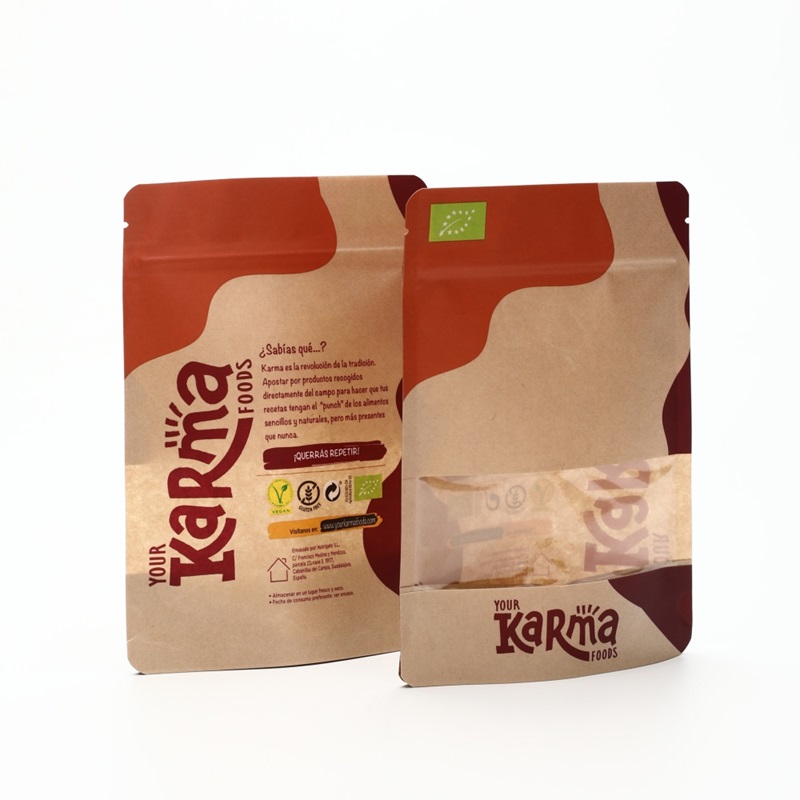
تعتمد صناعة أي كيس ورقي بشكل أساسي على تركيبته المادية. يهيمن ورق الكرافت على هذه الصناعة باعتباره الخيار الأكثر شيوعًا. يتميز هذا الورق بقوة شد استثنائية ومقاومة عالية للتمزق، مما يجعله مثاليًا لأكياس التسوق وتغليف المواد الغذائية. يوفر الكرتون الأبيض سطحًا أكثر نعومة ولمعانًا للتصاميم المطبوعة عالية الجودة. أما ورق الكرتون الرمادي فيمنح الأكياس سماكة ومتانة إضافية لهياكل صلبة. قد تجد أيضًا أنواعًا خاصة من الورق، بما في ذلك أنواع مقاومة للماء والحرارة، مصممة لاستخدامات محددة مثل أكياس الخبز.
تتصدر أكياس ورق الكرافت السوق لأسباب وجيهة. فعملية تصنيعها تُنتج أليافًا طويلة وقوية تتحمل الأحمال الثقيلة والتعامل الخشن. ويمكن الحصول على هذه المادة من مواد مُعاد تدويرها، مما يقلل الطلب على لب الخشب الخام. ويُقدم العديد من المصنّعين الآن أكياسًا مصنوعة بالكامل من نفايات ما بعد الاستهلاك.
يُعزز ورق الكرافت الحاصل على شهادة مجلس الإشراف على الغابات (FSC) من مصداقية علامتك التجارية في مجال الاستدامة بشكل ملحوظ. ووفقًا لدراسة استقصائية أجرتها شركة ماكينزي، يُعرب أكثر من نصف المستهلكين الأمريكيين عن قلقهم البالغ إزاء الأثر البيئي للتغليف، بما في ذلك إزالة الغابات. وتُعالج شهادة FSC هذه المخاوف بشكل مباشر. ولا يزال الورق من أسهل المواد إعادة تدويرًا، حيث يمكن إعادة استخدام أليافه حتى سبع مرات قبل أن تتلف. وتتوافق هذه القابلية لإعادة التدوير، إلى جانب التوريد المسؤول، مع طلب المستهلكين على منتجات خالية من إزالة الغابات. والجدير بالذكر أن 87% من المستهلكين الأوروبيين يشترطون الحصول على مثل هذه الضمانات قبل اتخاذ قرارات الشراء.
لا يقاوم الورق العادي الرطوبة أو الشحوم بكفاءة. لذا، تحتاج إلى طبقات واقية لبعض التطبيقات، وخاصة في مجال خدمات الطعام. تتوفر خيارات متعددة، لكل منها مزايا وعيوب.
تكنولوجيا الطلاء | المكون الرئيسي لحاجز الرطوبة | تطبيق على الأكياس الورقية |
|---|---|---|
مجموعة طلاء حيوي | مُشتت شمع الإستر الخطي المائي (متجدد، 20-90% مادة جافة) | يمكن استخدامه مباشرة كطلاء طارد للماء لمنتجات صفائح السليلوز |
بنية متعددة الطبقات | طبقة خارجية من شمع العسل توفر حاجزًا لبخار الماء | يُستخدم كطبقة خارجية على أغلفة الأكياس لمنع تسرب الرطوبة |
طلاء الركيزة السليلوزية | طبقة عازلة للماء (طبقة مزدوجة مع طبقة عازلة للزيت أسفلها) | يغطي ركائز الأكياس الورقية لمنع تسرب الرطوبة مع الحفاظ على إمكانية إعادة التدوير |
تُشكّل طبقات PLA تحديًا لإعادة التدوير يجب فهمه. يفشل PLA القياسي في اختبارات إعادة التدوير في ظل ظروف TAPPI لأنه لا ينفصل عن ألياف الورق، إذ تلتف الطبقة حول المعدات أثناء المعالجة. مع ذلك، يجتاز مزيج CPLA وCPBAT الاختبار بنجاح، محققًا عتبة استعادة الألياف بنسبة 85%.
الورق المطلي بمادة PLA غير قابل لإعادة التدوير لأن مادة PLA لا يمكن فصلها عن الورق في ظل ظروف إعادة التدوير الخاصة بـ TAPPI.
يؤثر اختيارك للمواد بشكل مباشر على الأداء. فمقاومة التمزق، وقدرة تحمل الوزن، وملاءمة المنتج، كلها تعتمد على الورق الأساسي ونظام الطلاء الذي تختاره. تتطلب الأكياس الورقية القابلة للتحلل الحيوي اختيارًا دقيقًا للطلاء للحفاظ على مزاياها حتى نهاية عمرها الافتراضي. أما الأكياس الورقية الصديقة للبيئة، فتوازن بين أداء الحماية وقابلية إعادة التدوير، مما يضمن لك تحقيق الأهداف الوظيفية والبيئية على حد سواء.
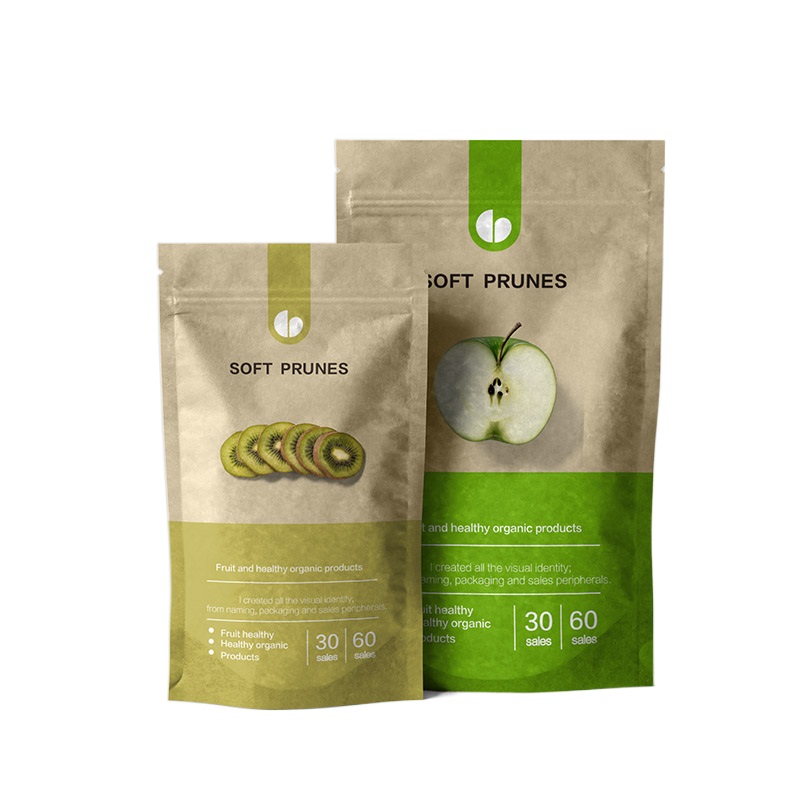
تتوفر الأكياس الورقية بأشكال هيكلية متعددة، كل منها مصمم خصيصًا لمنتجات محددة وظروف مناولة معينة. يساعدك فهم هذه الفروقات على اختيار الكيس المناسب لاحتياجات عملك.
تتميز الأكياس الورقية ذات القاعدة المربعة بقاعدة مسطحة معززة تسمح لها بالوقوف بشكل مستقيم. يوزع هذا التصميم الوزن بالتساوي على سطح القاعدة، مما يمنع الكيس من الانقلاب عند ملئه بأشياء ثقيلة أو كبيرة الحجم. ويقلل توزيع الوزن المتساوي بشكل مباشر من احتمالية سقوط الكيس وانسكاب محتوياته.
تسمح القاعدة المسطحة والمعززة للأكياس بالوقوف بشكل مستقيم، مما يجعل ملؤها وتكديسها سهلاً دون خطر السقوط، وهي الآلية الأساسية لمنع انسكاب المنتج.
بالنسبة للمخبوزات، والخبز الفرنسي، والبطاطس المقلية، والوجبات الخفيفة، والمكسرات، وغيرها من الأطعمة الخفيفة، يحافظ التصميم ذو القاعدة المربعة على قدرة تحمل عالية. هذا الثبات الهيكلي يقلل بشكل فعال من تناثر الفتات أثناء المناولة والنقل. ستجد هذه الأكياس مثالية للوجبات الجاهزة، والمخبوزات، أو البقالة السائبة حيث يُعد الثبات أمرًا بالغ الأهمية أثناء النقل من المنضدة إلى السيارة إلى المطبخ.
تتميز الأكياس المسطحة، والتي تُسمى أحيانًا أكياس L، بتصميم أبسط بدون قاعدة قابلة للتوسيع. وهي مناسبة تمامًا للأطعمة الخفيفة مثل المعجنات المالحة، والبسكويت، أو الفطائر الصغيرة التي يمكن فردها بسهولة. وبفضل عدم وجود قاعدة قابلة للتوسيع، تُعدّ هذه الأكياس أكثر اقتصادية في عمليات الإنتاج بكميات كبيرة، مع توفيرها في الوقت نفسه حماية كافية للمنتجات غير القابلة للكسر.
لا تقتصر استخدامات الأكياس الورقية ذات القاعدة المربعة على خدمات الطعام فحسب، بل تشمل أيضاً متاجر الحرف اليدوية لتعبئة الأدوات الصغيرة، والمكتبات لتغليف المشتريات، وأسواق المزارعين التي تعتمد على ثباتها لعرض المنتجات الطازجة. كما أن قدرتها على الوقوف بشكل مستقيم تجعلها مثالية لعرض المنتجات على رفوف المتاجر، مما يتيح للزبائن رؤية المنتج بوضوح دون الحاجة إلى البحث داخل كيس مطوي.
تُعدّ الأكياس الورقية ذات المقابض الملتوية التصميم الكلاسيكي لأكياس التسوق التي تصادفها أثناء التسوق في البقالة والمتاجر. تتميز هذه الأكياس بمقابض ورقية متينة وملتوية تتحمل أوزانًا كبيرة مع الحفاظ على سهولة حملها. تستخدمها متاجر الأزياء، ومتاجر مستحضرات التجميل، والمكتبات، وسلاسل المتاجر المتخصصة بشكل شائع لحمل الأغراض الثقيلة مثل علب الأحذية، وعلب مستحضرات التجميل الزجاجية، والروايات ذات الأغلفة الصلبة.
تشمل الاستخدامات الشائعة للأكياس ذات المقابض أكياس التسوق للمشتريات من المتاجر، والأنشطة الترويجية والهدايا الترويجية، وحمل الوجبات وطرود الطعام كأكياس جاهزة من المطاعم، وأكياس النبيذ والمشروبات الروحية. تُعدّ هذه الأكياس متعددة الاستخدامات عنصرًا أساسيًا في البيئات التي تُعطى فيها الأولوية لتجربة العملاء والعلامة التجارية. تختار العلامات التجارية الرائدة في مجال البيع بالتجزئة هذه الأكياس لأن سطحها الورقي الملمس وتصميم المقبض الظاهر يُوحيان بالجودة حتى قبل أن يفتح العميل الكيس.
توفر الأكياس الشبيهة بالمغلفات حلاً مختلفاً للأغراض الصغيرة. هذه الأكياس المسطحة والقابلة للإغلاق مناسبة تماماً لأدوات النظافة الشخصية، وملحقات الإلكترونيات، وغيرها من المنتجات صغيرة الحجم. عند مقارنة المغلفات الورقية المبطنة بأظرف الفقاعات البلاستيكية لتغليف الإلكترونيات، تجدر الإشارة إلى عدة خصائص أداء:
سمة الأداء | مغلفات مبطنة مصنوعة من الورق | مغلفات فقاعية بلاستيكية |
|---|---|---|
الصلابة والحماية | أكثر صلابة، أفضل للأشياء التي لا ينبغي أن تنثني | مرن، أقل صلابة |
الوزن والخدمات اللوجستية | أثقل، وأكثر ضخامة، وأكثر كثافة في المواد | وزنها حوالي ثلث الوزن، وأكثر كفاءة في استخدام المساحة |
مقاومة للعوامل الجوية | غير مقاوم للرطوبة | مقاوم للرطوبة تمامًا |
المتانة وإمكانية إعادة الاستخدام | يمكن إعادة استخدامها عن طريق الطي/اللصق | مصممة خصيصاً لإعادة الاستخدام مع أغطية قابلة للتقشير واللصق |
مناسب للأجهزة الإلكترونية | أفضل للأشياء غير القابلة للثني | أفضل للأشياء الخفيفة الوزن والأقل هشاشة |
لتغليف الأجهزة الإلكترونية: اختر مغلفات ورقية مبطنة عندما تكون المتانة وسهولة إعادة التدوير من أهم الأولويات. اختر مغلفات بلاستيكية فقاعية عندما تكون المتانة وخفة الوزن ومقاومة العوامل الجوية أكثر أهمية. مع ذلك، بالنسبة للأجهزة الإلكترونية شديدة الهشاشة أو باهظة الثمن، لا يُنصح باستخدام أي من هذين النوعين من المغلفات؛ استخدم صندوقًا من الكرتون المموج مع مادة حشو.
إلى جانب استخداماتها التقليدية، تُستخدم الأكياس الورقية لأغراض إبداعية. يمكنك إعادة استخدام أكياس ورق الكرافت المتينة كأوعية للنباتات المنزلية، أو حاويات تخزين للحمام، أو أنظمة تنظيم للمكاتب. تُطيل هذه الاستخدامات الثانوية دورة حياة العبوة وتُبرز تنوع استخدامات هذه المادة. سواء كنت بحاجة إلى أكياس ورقية للوجبات الجاهزة لمطعم، أو عبوات تجزئة لمتجر، أو عبوات طعام لمخبز، ستجد الكيس الورقي المناسب لاحتياجاتك. تشمل الاستخدامات الشائعة مختلف القطاعات، مما يُثبت أن الأكياس الورقية الصديقة للبيئة تجمع بين الوظيفة والاستدامة. كما تُوفر الأكياس الورقية القابلة للتحلل خيارًا إضافيًا للتخلص منها في نهاية عمرها الافتراضي للشركات الملتزمة بمبدأ "صفر نفايات".
يمكنك تخصيص كل جانب من جوانب أكياس الورق لتتناسب مع هوية علامتك التجارية ومتطلبات منتجك. يوفر الحجم واللون والطباعة وأنماط المقابض مرونة كبيرة. تؤثر طريقة الطباعة التي تختارها بشكل كبير على كل من المظهر والتكلفة، خاصةً بالنسبة للأكياس الورقية المصممة حسب الطلب.
توجد عدة تقنيات طباعة تناسب أحجام الطلبات المختلفة واحتياجات التصميم المتنوعة:
الطباعة بالشاشةيُوفر طبقات حبر سميكة تصل إلى 20 ميكرون لتصميمات مقاومة للبهتان. يحتفظ المنتج بنسبة 80% من اللون بعد ستة أشهر وفقًا لاختبار ASTM D4255. تبلغ تكلفة اللون الواحد 0.02 دولار أمريكي للوحدة للطلبات التي تزيد عن 500 قطعة.
الطباعة الرقميةتستخدم هذه الطريقة أحبار CMYK بدقة 300 نقطة في البوصة. وتتراوح تكلفة الطباعة بين 0.03 و0.08 دولار أمريكي لكل نسخة. تُعد هذه الطريقة الأنسب للطباعة بكميات أقل من 1000 وحدة، مع فترة تسليم تتراوح بين يوم ويومين.
الطباعة الأوفستيتطلب إعدادًا بقيمة 2000 دولار أمريكي أو أكثر، ولكنه يوفر من 50 إلى 70% من التكاليف عند الإنتاج بكميات كبيرة. مثالي للطلبات بالجملة التي تبلغ 5000 وحدة أو أكثر.
الطباعة الفلكسوغرافيةتوفر الشركة إنتاجًا عالي السرعة وفعالًا من حيث التكلفة للطلبات الكبيرة بحد أدنى للطلب يزيد عن 5000 وحدة. تعمل الأحبار المائية بشكل جيد على ورق الكرافت الخشن، مما يحافظ على ملمسه الطبيعي.
ختم الرقائق المعدنية: يضيف رقائق معدنية لإضفاء جاذبية فاخرة، وهي تقنية تستخدمها العلامات التجارية المتميزة مثل لويس فويتون.
يمكنك أيضًا إضافة طبقة تغليف من غشاء BOPP بسماكة 1-2 مل لمقاومة الماء لمدة تصل إلى 24 ساعة، بتكلفة تتراوح بين 0.04 و0.10 دولار أمريكي للقدم المربع. تتيح لك هذه الخيارات تصميم أكياس ورقية صديقة للبيئة تبرز على الرفوف مع الحفاظ على معايير الاستدامة.
بيوفليكسي تُقدم الشركة خيارات تخصيص واسعة للطلبات الكبيرة بأسعار تنافسية على مواد مستدامة. يمكنك طلب مقاسات وألوان وأنماط طباعة محددة لجميع منتجاتها. يتم تحديد مدة التسليم القياسية للطلبات الكبيرة والحد الأدنى لكمية الطلب وفقًا لكل طلب على حدة؛ تواصل معهم لمزيد من التفاصيل.
يساعدك فهم عوامل التكلفة على وضع ميزانية فعّالة: فالتكاليف تعتمد على عوامل مثل نوع الورق، والحجم، ومتطلبات الطباعة، والتشطيبات. وتؤدي الطلبات الكبيرة إلى خفض سعر الوحدة بفضل وفورات الحجم. يقدم بعض الموردين كميات طلب دنيا أقل، لذا يُنصح بالتواصل مع كل مورد على حدة. عند طلب أكياس ورق الكرافت أو الأكياس الورقية القابلة للتحلل بالجملة، ضع في اعتبارك الحجم، وتعقيد التصميم، وخيارات التشطيب. تؤثر هذه المتغيرات بشكل مباشر على السعر النهائي للوحدة. يضمن لك التخطيط الاستراتيجي لحجم طلبك تحقيق أقصى قيمة مع الحفاظ على معايير الجودة لأكياسك الورقية المصممة خصيصًا.
الآن بات واضحاً لماذا تُعدّ الأكياس الورقية خياراً ذكياً للتغليف. فهي تُحقق فوائد بيئية بفضل قابليتها للتحلل الحيوي وإعادة التدوير، كما أن استخداماتها الشائعة تشمل قطاعات البيع بالتجزئة، وخدمات الطعام، وغيرها. وتُظهر هذه الاستخدامات تنوعاً ملحوظاً يُناسب الشركات الحديثة.
يُمكّنك التحوّل إلى استخدام أكياس التغليف الورقية من التفوّق على الضغوط التنظيمية ومتطلبات المستهلكين. تحظر الحكومات في جميع أنحاء العالم استخدام المواد البلاستيكية ذات الاستخدام الواحد، ويدفع المتسوقون عن طيب خاطر المزيد مقابل الخيارات المستدامة. يتوافق الورق تمامًا مع مبادئ الاقتصاد الدائري.
اكتشف اليوم تشكيلة أكياس الورق القابلة للتخصيص من Bioflexi. اطلب عينات أو احصل على عرض سعر لتبدأ رحلتك نحو الاستدامة. كل تغيير بسيط تُحدثه يُساهم في كوكب أكثر صحة للأجيال القادمة.
تتحلل معظم أكياس ورق الكرافت في أنظمة التسميد المنزلي. مع ذلك، تتطلب الأكياس المطلية بطبقة من حمض البولي لاكتيك أو الشمع مرافق تسميد صناعية لتتحلل بشكل صحيح. تحقق من ملصق العبوة للتأكد من وجود شهادة التحلل. توفر الأكياس الورقية غير المطلية والقابلة للتحلل أسهل تجربة تسميد منزلي دون الحاجة إلى معالجة خاصة.
تتحمل أكياس ورق الكرافت عالية الجودة أحمالًا ثقيلة بشكلٍ مدهش. تدعم مقابضها الورقية الملتوية أوزانًا كبيرة، غالبًا ما تضاهي سعة الأكياس البلاستيكية المستخدمة في التسوق اليومي. يكمن الاختلاف الرئيسي في الرطوبة؛ فالورق يضعف عند البلل، بينما لا يتأثر البلاستيك. بالنسبة للسلع الجافة والاستخدامات التجارية العادية، يؤدي الورق أداءً ممتازًا.
نعم، مع استخدام الطلاءات المناسبة. يفتقر الورق العادي إلى مقاومة الدهون، لكن الشركات المصنعة تستخدم طلاءات حيوية أو طلاءات PLA لتوفير حماية إضافية. تحافظ هذه الأكياس الورقية الصديقة للبيئة على متانتها عند استخدامها مع البطاطس المقلية والمخبوزات والأطعمة الجاهزة. تأكد دائمًا من أن نوع الطلاء يضمن سلامة استخدامك للطعام.
عادةً ما تكون تكلفة الأكياس الورقية المصممة حسب الطلب أعلى من تكلفة الأكياس البلاستيكية المماثلة. ويتقلص هذا الفارق السعري مع طلبات الشراء بالجملة والتصاميم البسيطة. وبالنظر إلى الصورة الكاملة، فإن الورق يجنبنا دفع ضرائب البلاستيك مستقبلاً، ويعزز صورة العلامة التجارية، ويلبي توقعات المستهلكين. وتجد العديد من الشركات أن التكلفة الإضافية تستحق العناء لما توفره من فوائد تسويقية واستدامة.
إذا كنت ترغب في العمل معنا أو مجرد التواصل معنا، يسعدنا أن نسمع منك!

حقوق الطبع والنشر
@ 2026 Shanghai BioPouches Co., Ltd جميع الحقوق محفوظة
. الشبكة المدعومة
ترك رسالة