

مؤلف
ماري ر. وينترز


تحويل خطوط إنتاج المساحيق السائبة إلى حقائب ذات قاعدة مسطحة تُطرح هذه التقنية تحديات فريدة لا تواجهها أكياس الوسائد التقليدية أو الأكياس القائمة البسيطة. يوفر هيكلها الصندوقي متعدد الألواح ثباتًا لا مثيل له على الرفوف ومساحة واسعة للعلامة التجارية، لكن ألواحها الخمسة المغلقة تجعلها عرضة بشكل ملحوظ لثقوب صغيرة في الجوانب، وتناثر المسحوق، والتشوه الحراري. هل تُؤثر التسريبات الدقيقة، أو التجاعيد السطحية، أو توقفات خط الإنتاج سلبًا على هوامش ربحك أثناء عمليات التعبئة المستمرة؟ يتطلب تحقيق التميز التشغيلي إصلاحًا هندسيًا منهجيًا شاملًا بدلًا من حلول ميكانيكية سريعة. يجب عليك تقييم سلامة هيكل الكيس، وضبط فتح الفراغ واستقرار المنتج بدقة، ومعايرة حرارة فكي الإغلاق عبر سماكات الطبقات المختلفة، وتوحيد بروتوكولات التنظيف. يقدم هذا الدليل الفني خارطة طريق عملية لمديري المصانع ومهندسي التعبئة والتغليف الذين يهدفون إلى زيادة السرعة إلى أقصى حد وحماية أداء حاجز التغليف.
قم بمعايرة أكواب الشفط الميكانيكية وسكاكين الهواء الإيجابية في وقت واحد لفتح الصفائح السفلية المسطحة متعددة الطبقات والصلبة بالكامل دون انحشار الزوايا.
استخدم نظام الجرعات اللولبية ثنائي المراحل مع التعبئة بالرفع من الأسفل إلى الأعلى لعزل غبار المسحوق الناعم عن مناطق اللحام الحراري.
قم بتطبيق قضبان تسخين مستقلة متعددة المناطق لدرجات الحرارة لمنع عيوب انتقال الحرارة بين وجهي الكيس ذي الطبقتين وثنيات الزاوية ذات الأربع طبقات.
قم بدمج مسارات الترسيب بالاهتزاز الميكانيكي لضغط المساحيق ذات الكثافة المنخفضة قبل مرحلة الإغلاق المحكم العلوي.
احتفظ بسجلات اختبارات الانفجار والتحلل الفراغي المعتمدة لتدقيق الأختام قبل نشر ركائز أحادية البولي إيثيلين القابلة لإعادة التدوير أو الركائز القابلة للتحلل الحيوي.
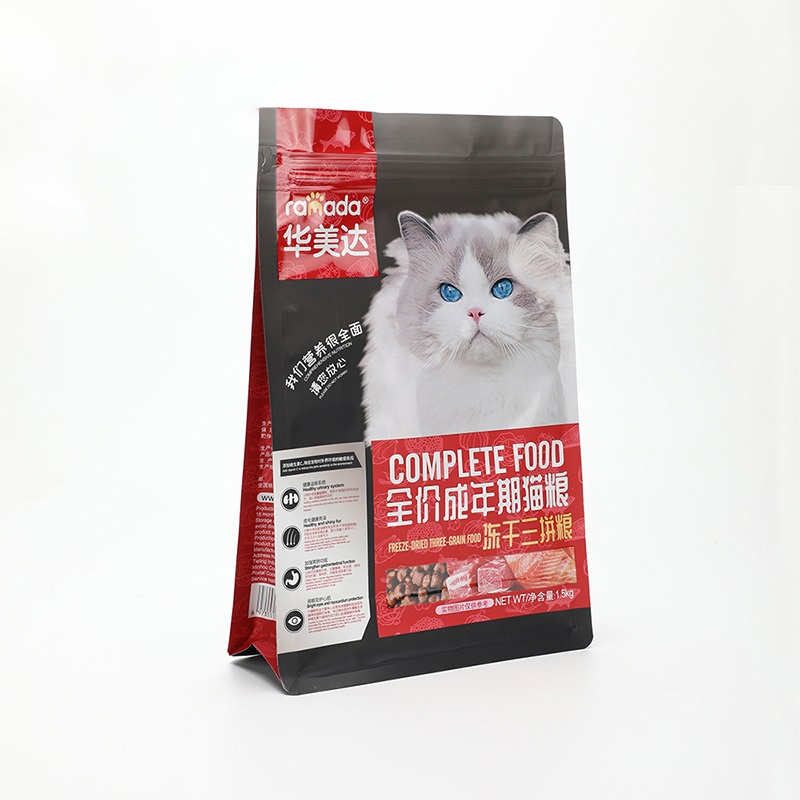
على عكس الأكياس ثنائية الأبعاد، يتميز الكيس ذو القاعدة المسطحة بخمسة أجزاء منفصلة: الجزء الأمامي، والجزء الخلفي، وجزآن جانبيان، وقاعدة مسطحة بالكامل. يمنح هذا التصميم العبوة حضورًا مميزًا في متاجر البيع بالتجزئة، كما يوفر لها صلابة هيكلية تقاوم أذرع آلات الالتقاط والوضع الآلية. يجب تخطيط كل حركة على طول آلة التعبئة الدوارة أو الخطية بدقة لتجنب أي خلل ميكانيكي.
افحص تسلسل المناولة المادية في كل محطة:
زاوية تغذية مخزن الأكياس وشوط ذراع الشفط.
محطة التمدد ذات الفتحة السفلية، حيث يجب أن تفتح أكواب الشفط الهوائية القاعدة بالكامل قبل التعبئة الرأسية.
إدخال القمع وعمق توصيل المنتج إلى التجويف المفتوح.
مسار الترسيب حيث تعمل الاهتزازات الميكانيكية على ضغط أحجام المنتجات المهواة.
إغلاق الفك العلوي، وإبر ضخ الغاز، وحزام التفريغ النهائي.
عمليات تعبئة المساحيق حساسة بطبيعتها لتغيرات البيئة المحيطة. فتقلبات الرطوبة النسبية والكهرباء الساكنة قد تتسبب في التصاق طبقات رقيقة من المسحوق بالجدران الداخلية للكيس. وعندما يتسرب المسحوق نحو الحافة العلوية، يصبح تلوث الغلاف أمرًا لا مفر منه. لذا، سجّل بدقة وقت مرور الكيس عبر كل نقطة نقل ميكانيكية. راقب أي تردد عند نقل أصابع آلة التعبئة للكيس من محطة الفتح إلى محطة التعبئة. حتى توقف لحظي لمدة 0.2 ثانية لكل كيس يتراكم ليتحول إلى ساعات من الإنتاج الضائع في جدول إنتاج متعدد الورديات.
يتطلب تصميم القاعدة المسطحة صلابة عالية للنسيج الشبكي ليثبت بشكل عمودي على رفوف المتاجر، إلا أن هذه الصلابة نفسها تُسبب مشاكل داخل مخزن الأكياس. فعندما تحاول أكواب الشفط سحب كيس ذي قاعدة مسطحة من المخزن، قد يؤدي احتكاك الحواف بالأكياس المجاورة إلى تغذية مزدوجة أو زوايا تغذية غير متناسقة. قِس نسبة الرفض عند محطة الالتقاط. إذا تجاوزت نسبة فشل الالتقاط 1%، اضبط سكاكين الهواء للفصل وافحص صلابة أكواب الشفط المصنوعة من السيليكون.
يتطلب فتح الجزء السفلي المطوي قوة ميكانيكية منسقة. تعتمد الأكياس التقليدية القائمة على أغطية سفلية تُفتح بسهولة تحت ضغط تفريغ خفيف. في المقابل، تتميز الأكياس ذات القاعدة المسطحة بأغطية زاوية مطوية يجب فتحها في وقت واحد من الأسفل والداخل. إذا لم تتمدد اللوحة السفلية بالكامل قبل نزول قمع التعبئة، فقد تصطدم فوهة التعبئة بفتحة الكيس أو حافته. يؤدي ذلك إلى تلف الطبقة الرقيقة، وتناثر المسحوق الناعم على سطح الماكينة، وإيقاف خط الإنتاج بشكل طارئ.
حدد معيارًا كميًا لسرعة خط الإنتاج. قارن أوقات الدورات بالسعة المقدرة من قبل الشركة المصنعة لآلات تعبئة الأكياس الآلية. تتبع حالات التوقف بشكل منهجي. ميز بين الأعطال الميكانيكية الناتجة عن توقيت غير صحيح لشفط الهواء وأعطال الإغلاق الناتجة عن تلوث الغبار. معالجة السبب الجذري في محطتي التغذية والفتح تُحسّن استقرار عملية الإنتاج بأكملها، مما يمهد الطريق لتعبئة أنظف وسرعات تشغيل أعلى.
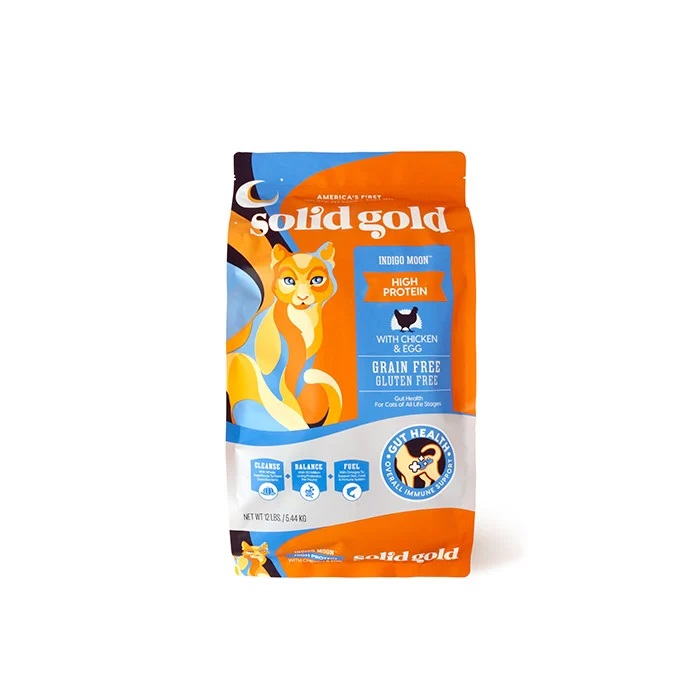
تُشكّل عملية تغليف المواد المطحونة بدقة، مثل بروتين مصل اللبن، وببتيدات الكولاجين، والماتشا، أو دقيق الخبز العضوي، تحديًا تشغيليًا كبيرًا: التحكم بالغبار. فعندما يتساقط المسحوق بكميات كبيرة بحرية عبر الهواء المحيط إلى كيس مفتوح ذي قاع مسطح، يدفع الهواء الجزيئات الدقيقة إلى الأعلى. وتستقر هذه الجزيئات المحمولة جوًا مباشرةً على حواف اللحام الداخلية. وعندما تُغلق قضبان اللحام الساخنة، يعمل المسحوق المتبقي كحاجز حراري، مما يمنع اندماج البوليمر بشكل كامل ويُحدث مسارات تسرب مجهرية.
لمنع انتشار الغبار، جهّز محطة التعبئة بآلية رفع سفلية تعمل بمحرك سيرفو، مقترنة بحشو لولبي رأسي عالي الدقة. أثناء عملية التعبئة، ترفع منصة الكيس الكيس حتى تستقر فوهة قمع الحشو اللولبي بالقرب من اللوحة السفلية. ومع دوران الحشو اللولبي وضخه المنتج في العبوة، تنخفض المنصة بسلاسة وبسرعة مضبوطة تتناسب مع مستوى المسحوق المتصاعد. تقلل هذه الحركة المتزامنة من ارتفاع سقوط المنتج، وتمنع تهويته، وتحافظ على أعمدة الغبار أسفل منطقة الإغلاق العلوية.
بالإضافة إلى التعبئة من الأسفل إلى الأعلى، يُنصح بتركيب غطاء شفط غبار فعال حول فوهة الكيس أثناء التعبئة. تعمل حلقة شفط موجهة على التقاط جزيئات الغبار العالقة في الهواء دون سحب المنتج من مسار التعبئة الرئيسي. بالنسبة للمساحيق فائقة الخفة ذات الشحنات الكهروستاتيكية العالية، يُنصح بتركيب قضبان تأيين وإزالة تأيين فعالة فوق محطة التعبئة. تعمل عملية معادلة الشحنات الساكنة السطحية على الطبقة البلاستيكية الداخلية على منع جزيئات المسحوق الدقيقة من الالتصاق بمنطقة الإغلاق، مما يضمن دورات تعبئة نظيفة ومستمرة.
غالباً ما تدخل مساحيق التغذية المطحونة والمركبات الكيميائية إلى الكيس وهي في حالة تهوية عالية وكثافة منخفضة. إذا امتلأ الكيس بالمنتج مباشرةً بعد وضع الجرعة، فلن يتمكن السحاب العلوي أو منطقة اللحام الحراري من الإغلاق دون أن يعلق المسحوق السائب. يجب تسوية المسحوق المهوّى وإزالة الهواء منه بسرعة قبل نقله إلى محطة اللحام العلوية.
يتم دمج مسارات اهتزاز هوائية أو مغناطيسية متعددة المراحل أسفل ناقل نقل الأكياس بين محطتي التعبئة والإغلاق. يعمل الاهتزاز الرأسي عالي التردد ومنخفض السعة على هز اللوحة السفلية للكيس، مما يدفع جيوب الهواء المحتبسة إلى الخروج ويسمح لعمود المسحوق بالاستقرار بإحكام في القاعدة. يزيد هذا الضغط من المساحة الحرة في أعلى الكيس بنسبة تتراوح بين 15% و30%، مما يحافظ على المنتج بعيدًا عن فكي الإغلاق الحراري.
بعد استقرار الكيس، يجب الضغط برفق باستخدام قضبان تفريغ الهواء الميكانيكية أو ألواح الضغط الإسفنجية على اللوحين الأمامي والخلفي أسفل خط اللحام مباشرةً. تعمل هذه الحركة المتحكم بها على طرد الهواء الزائد من المساحة العلوية قبل دخول الكيس إلى فكي اللحام. يمنع إزالة الهواء الزائد من المساحة العلوية انتفاخ الكيس، مما يحمي كراتين الشحن الثانوية من التلف أثناء التعبئة على المنصات والنقل.
يُعدّ إغلاق الكيس ذي القاعدة المسطحة أكثر تعقيدًا بكثير من إغلاق الكيس المسطح العادي. فعند الضغط على الفتحة العلوية للكيس ذي القاعدة المسطحة لإغلاقها، يجب أن تتداخل فكّا الإغلاق مع شكلين هندسيين مختلفين للمقطع العرضي:
الحواف الخارجية، حيث تنطوي الجوانب الجانبية إلى الداخل، مما يخلق أربع طبقات من الفيلم المصفح.
الفتحة المركزية الممتدة، حيث تلتقي اللوحتان الأمامية والخلفية فقط، مما يخلق طبقتين فقط من الفيلم.
إذا طبّقت قضبان اللحام الحراري المسطحة القياسية ضغطًا متساويًا على كامل عرضها، فإن الحواف السميكة ذات الطبقات الأربع تمتص الجزء الأكبر من قوة التثبيت. ونتيجةً لذلك، لا تتلقى الطبقة الوسطى الرقيقة ذات الطبقتين ضغطًا كافيًا، مما يؤدي إلى تسربات في القنوات وضعف حواجز الغاز. في المقابل، فإن زيادة قوة التثبيت الإجمالية لإغلاق المركز تُعرّض الحواف المطوية ذات الطبقات الأربع لخطر السحق والترقق المفرط. وهذا بدوره قد يُسبب تشقق رقاقة الحاجز وتسربات دقيقة على طول طيات التثبيت.
للتغلب على هذا التباين، يُنصح بتركيب فكوك إغلاق مُصممة خصيصًا أو مُدرجة. تتميز هذه الفكوك بقنوات تخفيف الضغط المصنعة مباشرةً في أسطح التثبيت لتتوافق بدقة مع سُمك الكيس المطوي. توفر الأجزاء الخارجية ضغط تثبيت مُعاير لأربع طبقات، بينما يُطبق الجزء المركزي المُجوف ضغطًا مُتساويًا على امتداد الطبقتين. يُنصح باستخدام هذه الفكوك مع وسادات دعم مرنة من السيليكون أو الفلوروالاستومر لتوزيع قوى التثبيت بالتساوي على كامل خط اللحام.
تعتمد سلامة الختم المحكم على موازنة ثلاثة عوامل أساسية: درجة الحرارة، ومدة التلامس، والضغط. في الهياكل التقليدية متعددة الطبقات التي تحتوي على رقائق الألومنيوم (مثل PET/AL/PE)، يعمل الألومنيوم كمشتت حراري يساعد على توزيع الطاقة الحرارية بسرعة عبر طبقة الختم الداخلية. ومع ذلك، مع توجه العلامات التجارية نحو الاستدامة عبوات قابلة للتحلل الحيوي الركائز (مثل PLA/PBAT) أو أغشية Mono-PE القابلة لإعادة التدوير، تضيق نطاقات المعالجة بشكل كبير.
تتشابه درجات انصهار أغشية البولي إيثيلين أحادية الطبقة في كلٍ من الطبقة الهيكلية الخارجية وطبقة مانع التسرب الداخلية، مما يترك هامش تحمل حراري يتراوح بين 15 و20 درجة مئوية فقط. إذا كانت درجة حرارة اللحام مرتفعة جدًا، فإن غشاء البولي إيثيلين أحادي الطبقة (MDO-PE) الخارجي يتمدد أو يحترق، مما يُسبب تجعدًا في المظهر ويُفسد جودة المنتج. أما إذا كانت درجة الحرارة منخفضة جدًا، فإن طبقة البولي إيثيلين المعدنية الداخلية لا تنصهر بالكامل، مما يؤدي إلى ضعف مقاومة الانفجار.
استخدم وحدات تحكم مستقلة متعددة المناطق في درجة الحرارة من نوع PID على كل من فكي الإغلاق العلوي والسفلي للحفاظ على دقة حرارية ضمن نطاق ±1.0 درجة مئوية. اتبع إجراءات الإعداد التالية خطوة بخطوة عند اختبار هياكل الأغشية الجديدة:
اضبط درجة حرارة اللحام على الحد الأدنى الموصى به في ورقة البيانات الفنية للمادة.
قم بزيادة وقت بقاء الفك بمقدار 0.1 ثانية حتى تحقق اندماجًا كاملاً للبوليمر بين الأسطح.
اضبط ضغط التثبيت الهوائي أو المؤازر حتى يظل ضغط مانع التسرب على طول الحافة الداخلية منتظمًا وخاليًا من الثقوب الدقيقة.
قم بدمج محطة تبريد فعالة مباشرة بعد محطة اللحام الحراري. يعمل تبريد البوليمر الساخن تحت الضغط على تثبيت التوجه الجزيئي في مكانه، مما يعزز قوة الالتصاق الفوري ويمنع تشوه اللحام أثناء التفريغ.
لا يكفي الفحص البصري وحده للكشف عن التسريبات المجهرية في أكياس المساحيق ذات الحاجز العالي. إذ يمكن لحبيبات المسحوق الدقيقة العالقة داخل حافة الختم المنصهرة أن تُحدث قنوات أصغر من 20 ميكرونًا. ومع مرور الوقت، تسمح هذه القنوات الدقيقة بدخول الرطوبة والأكسجين، مما يؤدي إلى تكتل المساحيق الحساسة أو تدهورها أو تلفها قبل الأوان على أرفف المتاجر.
قم بوضع جدول زمني صارم لاختبارات ضمان الجودة في بداية كل وردية وبعد كل تغيير في لفائف المواد:
اختبار اختراق صبغة الميثيلين الأزرق (ASTM F1929): اقطع شرائط الاختبار عند نقطة الانتقال بين طيات الجيب ذات الطبقتين والطبقات الأربع. ضع محلول الصبغة المعالج بمادة خافضة للتوتر السطحي لكشف القنوات الشعرية على امتداد عرض الختم.
اختبار غرفة التفريغ المغمورة بالماء (ASTM D3078): ضع الأكياس المغلقة والمملوءة في حجرة تفريغ أكريليك شفافة مغمورة تحت الماء. اسحب الهواء إلى -80 كيلو باسكال. تعمل تيارات الفقاعات المستمرة على تحديد الشقوق الدقيقة في طيات الزوايا أو خط الإغلاق.
اختبار ضغط الانفجار الداخلي (ASTM F1140): قم بضغط أكياس الاختبار الفارغة المغلقة حتى تتمزق. يجب أن ينفجر الكيس من خلال غشاء الجسم بدلاً من أن ينفصل على طول خط اللحام الحراري، مما يؤكد قوة اللحام المثلى.
تتعامل مرافق التعبئة والتغليف الحديثة مع عشرات المنتجات الموسمية، وتُبدّل أحجام العبوات باستمرار من 250 غرامًا إلى 2 كيلوغرام. تُهدر التعديلات اليدوية على الأدوات أثناء تغيير الأحجام وقتًا ثمينًا من خطوط الإنتاج، وتُعرّضها لأخطاء التشغيل. يُقلّل اعتماد إدارة الوصفات الآلية بشكل كبير من وقت التوقف أثناء تغيير الأحجام.
اختر معدات تغليف مزودة بتعديلات عرض آلية تعمل بمحركات سيرفو، ونظام تخزين وصفات رقمي على شاشة العرض. بنقرة واحدة على الشاشة، تقوم الآلة تلقائيًا بضبط موجهات المخزن، وعرض ماسك النقل، وارتفاع قمع التعبئة لتتوافق مع المنتج التالي. عندها، لا يحتاج المشغلون إلا إلى استبدال فكوك الإغلاق المعيارية سهلة التركيب، ومجموعة برغي التثبيت. يساهم توحيد هذه التعديلات في تقليل وقت تغيير المنتج من أكثر من ساعة إلى أقل من عشرين دقيقة، مما يوفر آلاف الأكياس التالفة سنويًا.
بالنسبة لتطبيقات المنتجات المتخصصة التي تتطلب أداءً عاليًا في العزل، يُعد اختيار شريك تصنيع عبوات ذي خبرة أمرًا بالغ الأهمية. سواء كنت بحاجة إلى مواد مقاومة للرطوبة أكياس ورقية أو رقائق متعددة الطبقات معتمدة بالكامل، تعمل مع بيوفليكسي يضمن ذلك دقة عالية في الأبعاد وطلاءات مانعة للتسرب موحدة تعمل بكفاءة عالية على جميع معدات التعبئة والتغليف الآلية. كما أن جودة تحويل الأكياس المتسقة تقلل بشكل مباشر من وقت توقف الماكينة وتزيد من كفاءة خط الإنتاج.
تحدث التسريبات عادةً عند نقطة التقاء اللوحة الأمامية ذات الطبقتين مع الجانب المطوي ذي الأربع طبقات. إذا كانت فكوك الإحكام تفتقر إلى انحناءات تخفيف الضغط أو دعامة سيليكون مرنة، فإن ضغط التثبيت يتركز على الحواف السميكة، مما يؤدي إلى عدم كفاية الضغط على خط التماس الداخلي. يمكن حل هذه المشكلة بتصنيع فكوك إحكام متدرجة أو ضبط ضغط التثبيت.
استخدم نظام تعبئة سفلي تصاعدي يعمل بمحرك مؤازر مع حشو لولبي، مما يُبقي فوهة الجرعات داخل الكيس طوال فترة تفريغ المنتج. أكمل هذا النظام بأغطية شفط غبار فعّالة حول فتحة الكيس وقضبان مضادة للكهرباء الساكنة لتحييد الشحنات الساكنة على غشاء الكيس.
نعم، ولكن يجب عليك تضييق نطاق المعالجة الحرارية. تتطلب أغشية البولي إيثيلين أحادية الطبقة تحكمًا دقيقًا في درجة الحرارة (±1 درجة مئوية) لمنع ذوبان الطبقة الخارجية، بالإضافة إلى فترات تثبيت أطول قليلاً ومحطة تبريد فعالة بعد اللحام لتثبيت البوليمر المنصهر تحت الضغط.
عادةً ما تنجم أعطال فتح الأكياس عن عدم كفاية مستوى الفراغ، أو تلف أكواب الشفط المصنوعة من السيليكون، أو زوايا سكين الهواء غير الصحيحة. ولأن الأكياس ذات القاعدة المسطحة صلبة، فإنها تتطلب أكواب شفط ميكانيكية متزامنة على كلا وجهيها الخارجيين، بالإضافة إلى تيار هواء سفلي موجب لتوسيع القاعدة بالكامل قبل نزول قمع التعبئة.
تعمل الاهتزازات المدمجة على ضغط المساحيق منخفضة الكثافة وتفريغ جيوب الهواء المحتبسة من طبقة المنتج، مما يزيد المساحة المتاحة بسرعة بنسبة تصل إلى 30%. وهذا يمنع المنتج المهوى من الانسكاب إلى منطقة الإغلاق، مما يسمح بسرعات نقل أعلى على الناقل وإغلاقات أنظف وأكثر إحكامًا.
إذا كنت ترغب في العمل معنا أو مجرد التواصل معنا، يسعدنا أن نسمع منك!

حقوق الطبع والنشر
@ 2026 Shanghai BioPouches Co., Ltd جميع الحقوق محفوظة
. الشبكة المدعومة
ترك رسالة